
You know that sinking feeling when you hear a constant drip in the night? It’s like your house is mocking you. Plumbing issues aren’t just annoying, they’re expensive.
But here’s the deal: you don’t need to be a pro to fix these common problems. This guide isn’t for the experts. It’s for everyday folks like us.
No jargon, just simple steps. With a bit of know-how, you can save some cash and stress (and maybe even sleep through the night). By the end, you’ll have the confidence to tackle DIY plumbing repairs.
Ready to become your own handyman?
Prep Like a Pro: DIY Plumbing Ready
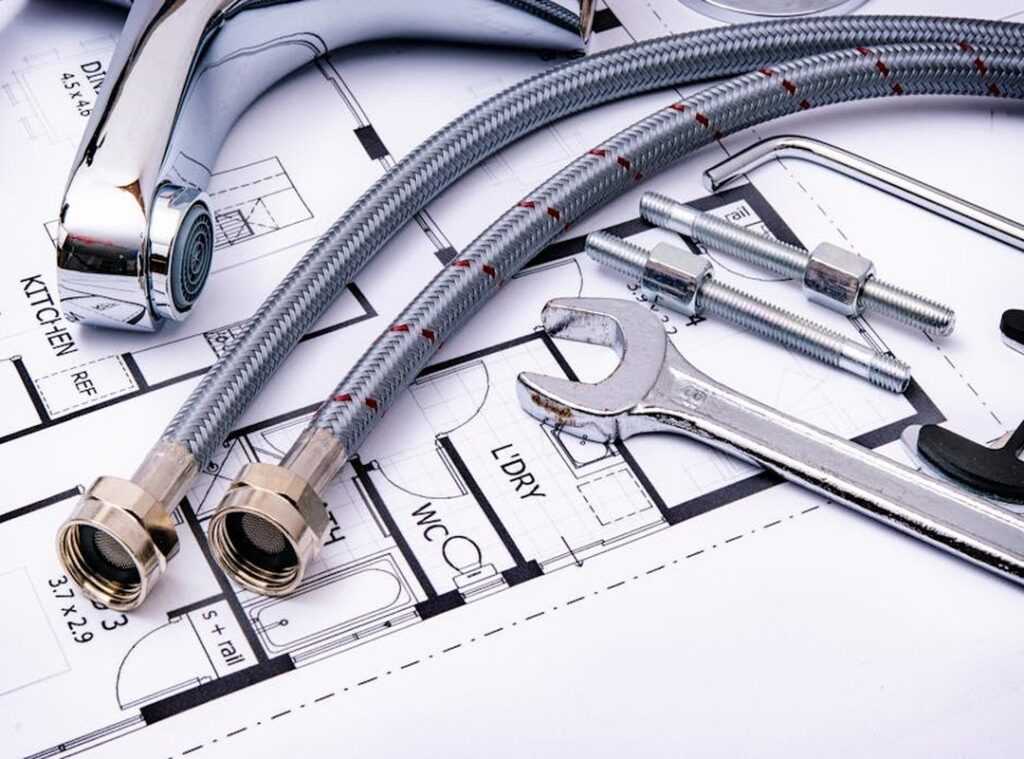
Preparation is everything. Trust me, when you’re standing knee-deep in water, you’ll wish you had listened. Let’s talk about the must-have tools for DIY plumbing repairs.
First, the adjustable wrench. This is your MVP. It’s perfect for loosening and tightening those weirdly shaped fittings.
Next, tongue-and-groove pliers. They’re great for gripping, twisting, and turning pipes. The multi-bit screwdriver is your versatile friend, handling various screws with ease.
Don’t forget plumber’s tape (that magical Teflon). It seals pipe threads, keeping water where it belongs. Finally, keep a bucket or some old towels handy for spills.
Safety is key. Always know where your main water shut-off is. I can’t stress this enough.
Wear gloves to protect your hands and eye protection is non-negotiable (you don’t want a surprise splash to the face).
Feeling ready? For more tips on keeping your home in top shape, check out this guide. Your plumbing toolkit is just the start.
Happy repairing!
Tackling the Drip: A Step-by-Step Guide to Fixing Leaky Faucets
We’ve all been there. That constant drip-drip-drip from the faucet driving us to the brink of madness. Let’s get it sorted out.
The first, most key step? Always turn off the water supply to the sink before you start. Seriously, don’t skip this. You’ll find the shut-off valves under the sink. They’re the little knobs (usually) that control the flow of water.
Now, to this. Here’s a simple guide to tackle a basic compression faucet repair. Step 1: Shut off the water and cover the drain.
Why the drain cover? Because losing small parts down there is the last thing you need.
Don’t worry, it’s not as complicated as it sounds.
Step 2: Remove the handle and decorative cap. It might need a little muscle, but nothing you can’t handle. Step 3: Grab a wrench and unscrew the packing nut.
Step 4: Pull out the stem and take a good look at the O-ring and washer. These tiny rubber bits are often the troublemakers. They’re cheap to replace, so take the old ones to the hardware store for an exact match.
You might wonder, does this really work? Yes, it does. Once you’ve got the new parts, it’s time to reassemble the faucet in reverse order.
Easy, right?
For more on diy plumbing repairs, there’s plenty out there to explore. So, next time your faucet acts up, you’ll know exactly what to do. Get your hands a little dirty and save yourself a plumber’s bill.
Clearing the Way: Unclog Drains Without Chemicals
Clogged drains are a menace, aren’t they? One minute you’re washing dishes, and the next, water’s pooling like it’s never heard of gravity. I’ve gone through this.
More times than I’d like to admit. But here’s a pro tip: DIY plumbing repairs don’t need to start with harsh chemicals. Start simple.
First, boiling water. It’s pure magic against grease-based clogs, especially in the kitchen. Just pour it down the sink (careful with those fingers) and watch it work its charm.
You’d be surprised how often this trick clears the mess.
When water isn’t enough, I go old-school with the baking soda and vinegar trick. Half a cup of each does wonders. Pour in the soda, then the vinegar, and watch it foam like a school volcano project.
Follow up with hot water and ta-da, goodbye gunk.
Now, when I need some muscle, I reach for the plunger. But it’s not about brute force. It’s about technique.
A snug seal and steady up-and-down motion. You don’t have to be the Hulk to clear a drain this way.
Sometimes hair clogs are the villain. That’s when a simple plastic drain snake steps in. This tool is a game changer.
Inexpensive, reusable, and ridiculously easy to maneuver.
If you’re interested in more ways to keep a home running smooth, you might want to explore Energy Saving Tips For Greener Home. It’s amazing how small changes make a big difference. So, are you ready to tackle that clog?
Toilet Troubles: Quick Fixes for Common Issues
Toilet troubles can feel like a nightmare, but don’t freak out just yet. The two most common issues are actually easy-peasy fixes. Problem one: the constantly running toilet.

You know, that annoying sound that keeps you up at night and wastes a ton of water. It’s usually because of a worn-out flapper (that rubber thing inside the tank). Believe it or not, fixing this is a breeze.
First, turn off the water supply. Then, flush the toilet to drain the tank. Unhook that old flapper and clip a new one in its place.
Voila! You’re done in five minutes. Seriously, it’s that quick.
Now, onto problem two: the weak flush. This one’s usually due to not enough water in the tank. How do you know?
Twist it to let more water in. It’s DIY plumbing repairs at its finest.
Check if the water level is about an inch below the overflow pipe. If it’s not, time to adjust the float mechanism. Most modern toilets have a simple adjustment screw.
So, next time your toilet acts up, don’t panic. You’ve got this. With these fixes, you’ll save water and maybe even your sanity.
Remember, a little knowledge goes a long way. Who knew toilets could be this easy to handle?
Know Your Limits: When to Put Down the Wrench
I’ve learned the hard way that sometimes it’s smarter to step back. DIY plumbing repairs can be tempting, but they’re not always the best choice. Let’s face it.
You’re not giving up on being a smart homeowner by calling a pro.
When should you opt for help? Major water leaks or visible damage are screaming “call someone!” A sudden drop in water pressure throughout the house? That’s a red flag.
Sewer gas smells? Don’t even think about tackling that alone. And if you’re dealing with water heater issues, it’s time to dial a professional.
Cutting or soldering pipes? Just don’t.
Licensed plumbers exist for a reason. For big, complex, or emergency situations, they’re not just a safe bet; they’re the most effective solution. So, the next time you’re tempted, remember. Being smart means knowing when to put down the wrench and call the pros.
Master Your Plumbing Woes
Plumbing problems can be scary, right? But here’s the truth: most are manageable with a little know-how and the right tools. You’ve got the tips, now face those drips and clogs without fear.
Remember how stressful plumbing issues felt? Now you’re equipped to handle them with confidence.
So, what’s next? DIY plumbing repairs aren’t as daunting as they seemed. You’re ready. Bookmark this page for when you need a refresher.
You’ve got this! Tackle those plumbing headaches head-on. And if things still go south (it happens), you know who to call.
Trust yourself and take control!

 Charles Belleriono writes the kind of interior design inspirations content that people actually send to each other. Not because it's flashy or controversial, but because it's the sort of thing where you read it and immediately think of three people who need to see it. Charles has a talent for identifying the questions that a lot of people have but haven't quite figured out how to articulate yet — and then answering them properly.
They covers a lot of ground: Interior Design Inspirations, Highlight Hub, Decadent Garden Landscaping Styles, and plenty of adjacent territory that doesn't always get treated with the same seriousness. The consistency across all of it is a certain kind of respect for the reader. Charles doesn't assume people are stupid, and they doesn't assume they know everything either. They writes for someone who is genuinely trying to figure something out — because that's usually who's actually reading. That assumption shapes everything from how they structures an explanation to how much background they includes before getting to the point.
Beyond the practical stuff, there's something in Charles's writing that reflects a real investment in the subject — not performed enthusiasm, but the kind of sustained interest that produces insight over time. They has been paying attention to interior design inspirations long enough that they notices things a more casual observer would miss. That depth shows up in the work in ways that are hard to fake.
Charles Belleriono writes the kind of interior design inspirations content that people actually send to each other. Not because it's flashy or controversial, but because it's the sort of thing where you read it and immediately think of three people who need to see it. Charles has a talent for identifying the questions that a lot of people have but haven't quite figured out how to articulate yet — and then answering them properly.
They covers a lot of ground: Interior Design Inspirations, Highlight Hub, Decadent Garden Landscaping Styles, and plenty of adjacent territory that doesn't always get treated with the same seriousness. The consistency across all of it is a certain kind of respect for the reader. Charles doesn't assume people are stupid, and they doesn't assume they know everything either. They writes for someone who is genuinely trying to figure something out — because that's usually who's actually reading. That assumption shapes everything from how they structures an explanation to how much background they includes before getting to the point.
Beyond the practical stuff, there's something in Charles's writing that reflects a real investment in the subject — not performed enthusiasm, but the kind of sustained interest that produces insight over time. They has been paying attention to interior design inspirations long enough that they notices things a more casual observer would miss. That depth shows up in the work in ways that are hard to fake.