
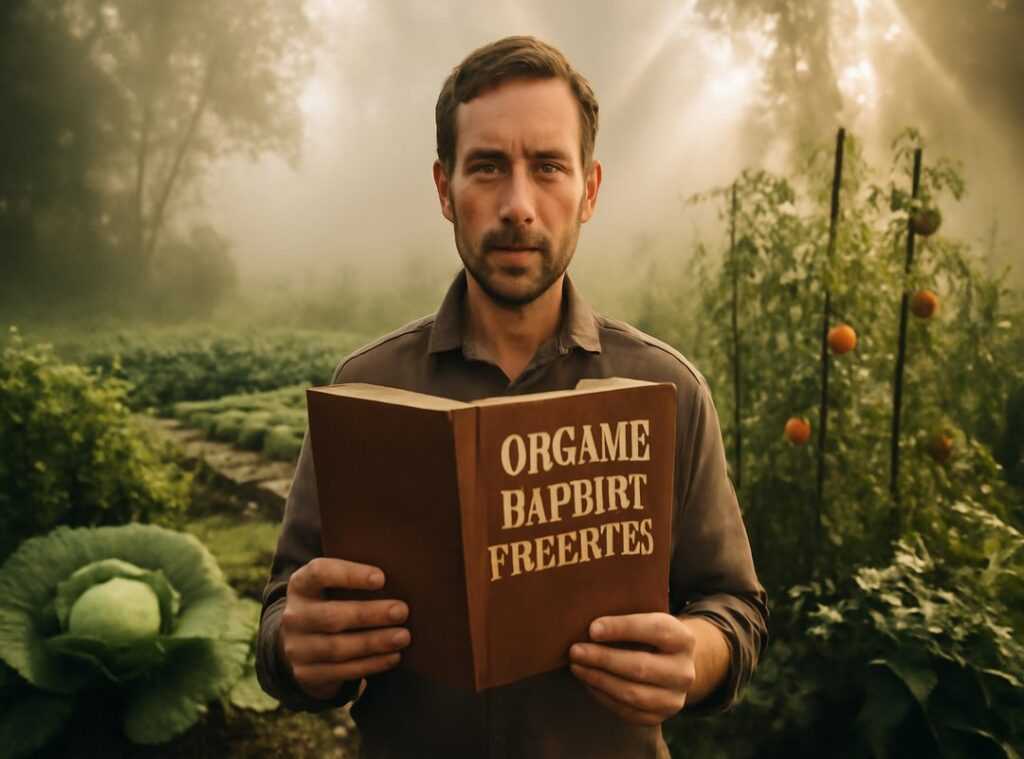
Looking at your garden and seeing those sad, droopy plants can be frustrating. You’ve tried everything, right? Synthetic fertilizers might seem like the answer, but they can mess with your soil in the long run.
Trust me, I’ve been there. After years of gardening, I’ve discovered the power of natural solutions. This isn’t just any guide; it’s the organic fertilizers guide you’ve been searching for.
I promise by the end, you’ll have a crystal-clear plan for choosing, creating, and using natural fertilizers. Ready to transform your garden into a lush paradise? Let’s dig in and get started.
Nourish Your Garden: Go Natural, Ditch Chemicals
Feed the soil, not just the plant. Sounds simple, right? Yet, many of us still dump chemicals in our gardens expecting miracles.
But here’s the thing: natural nutrients are like a balanced diet, while synthetics are sugary energy drinks. You might get a quick rush, but the long-term effects? Not so great.
The contrast is stark: synthetic fertilizers might pump up your plants fast, but they often degrade the soil and harm the environment over time.
When you use organic fertilizers, you’re not just feeding your plants. You’re enriching the soil with improved structure and microbial life. It’s like giving your garden a healthy breakfast every day.
Let’s talk nutrients. Plants need macronutrients like nitrogen, phosphorus, and potassium (NPK), along with micronutrients. Natural sources release these slowly, ensuring gentle nourishment.
It’s like a slow-cooked meal (a) little patience for a flavorful outcome.
The ultimate goal? A self-sustaining space. More resilience, more beauty, less effort.
That’s the dream. Want to dig deeper into plant care? You might want to learn more.
Trust me, this organic fertilizers guide is the way to go. Your garden will thank you, and so will future you.
The Ultimate Fertilizer Guide: Boost Your Garden’s Growth
Let’s talk compost. It’s the gold standard in gardening. Why?
Because it feeds your soil with a balanced nutrient profile and improves its structure. Compost is what your soil craves, trust me. Digging in well-made compost feels like cheating.
It’s that effective. You want your garden to thrive? Start with compost.
Animal-Based Fertilizers
Now, animal-based fertilizers are a whole different beast (pun intended). Manure, for instance. It’s rich in nitrogen, especially if we’re talking chicken manure.
But be careful. Fresh manure is “hot” and can burn plants. Compost it first, cool it down.
Cow manure, on the other hand, is “cold” and safer to use directly. Then there’s worm castings, nature’s wonder. These little pellets are fantastic for plant growth.
They’re like vitamins for your garden.
Plant-Based Fertilizers
Switching gears to plant-based options, alfalfa meal is a personal favorite. It’s a growth booster, packed with nutrients. Next up, cottonseed meal.
This is your go-to for acid-loving plants like azaleas. It lowers pH gradually. And don’t forget kelp meal.
It’s loaded with micronutrients and hormones that boost plant resilience. All these meals offer something unique.
Mineral-Based Fertilizers
Mineral-based fertilizers are slower to release but build long-term soil health. Let’s take greensand. It’s excellent for potassium and conditioning soil.
And rock phosphate? It’s all about those big blooms and strong roots. Both need time to work their magic, but they’re worth the patience.
You’re in this for the long haul, right?
Here’s a quick rundown for the best results:
- For Lush Leaves: Chicken manure
- For Big Blooms: Rock phosphate
This isn’t just theory. I’ve seen it transform gardens. Whether you’ve got a small plot or an expansive space, the right fertilizer makes all the difference.
For more takeaways, check out the complete guide to organic fertilizers. It’s a good read if you’re diving deeper into this organic fertilizers guide.
In the end, the best fertilizer depends on what your garden needs. Are you aiming for lush foliage or lively flowers? Start with these basics, and you’ll see changes.
Your garden will thank you. And who knows, maybe you’ll convert a few neighbors into compost enthusiasts. Gardening is a journey.
Enjoy every dirty-handed moment.
DIY vs. Store-Bought: Choose Your Natural Path
Deciding between DIY and store-bought fertilizers? It’s not just about budget but what suits your lifestyle (and garden goals). The DIY Path can be rewarding.
Picture this: a simple compost pile right in your backyard. Start with a sunny spot, layer your ‘greens’ (like veggie scraps) and ‘browns’ (dry leaves or cardboard), and avoid adding meat or dairy. Compost tea is another gem (a) liquid fertilizer you can brew at home.
Yes, it takes time, but the cost-saving and eco-friendly benefits are undeniable.
Then there’s the store-bought route. Convenience is the king here. You get pre-made fertilizers ready to go. When shopping, look for labels like OMRI certified to make sure you’re truly going organic.
Products like worm castings or bone meal can target specific needs. Boosting soil health or providing extra calcium. Quick and easy, but it can hit the wallet harder.
A hybrid approach might be the sweet spot. Make your own compost while buying kelp meal.
Now, weighing these options? Here’s a quick rundown: DIY is cost-effective but needs time and space. Store-bought offers convenience at a price.
Still undecided? Consider the history botanical gardens for inspiration. These gardens have thrived using various methods, blending old and new.
The bottom line: no one-size-fits-all answer exists. It’s about what fits your life and garden goals. Whether you go all-in on DIY or mix and match, you’re on the right path.
Just start somewhere and let your garden grow.
Feeding Your Garden: Secrets for Lush Growth
So, how do you use fertilizers without turning your garden into a science project? First up, top-dressing. It’s as simple as it sounds: you spread fertilizer on the soil around your plants.
It’s best for established perennials. I swear, it’s like giving your plants a little appetizer before the main meal (they’ll thank you later).
Now, let’s talk about amending soil. This is where you mix fertilizer directly into the soil before planting. Why bother?
Because it gives new plants a strong start. Think of it like setting a solid foundation for a house. You wouldn’t skip that, right?
Liquid feeding is another method. Use liquid fertilizers like compost tea or fish emulsion. These are great for a quick nutrient boost, especially for container plants and veggies.
It’s like a power smoothie for your plants. A general rule? Feed new beds at planting time and top-dress in spring and mid-summer.
When it comes to organic fertilizers, less is often more. Overdoing it can overwhelm your plants (and you). Trust me, I’ve been there.
If you’re curious about more tips, you’ll want to dive into an organic fertilizers guide. Your garden will thrive, and you’ll look like a pro.
Grow Your Dream Garden
You’re ready to ditch the chemical shortcuts.
Now you know how to create a garden that truly thrives. It’s frustrating to watch plants struggle when the solution is healthy soil. That’s the real magic behind a lush, lively garden.
A strong foundation means lasting beauty. And guess what? You can do this naturally.
Your next step? Dive into the organic fertilizers guide. Choose one fertilizer and give it a shot this season.
Your garden will thank you for it. Ready to transform those frustrations into flourishing blooms? Go natural and watch your garden’s resilience bloom.