
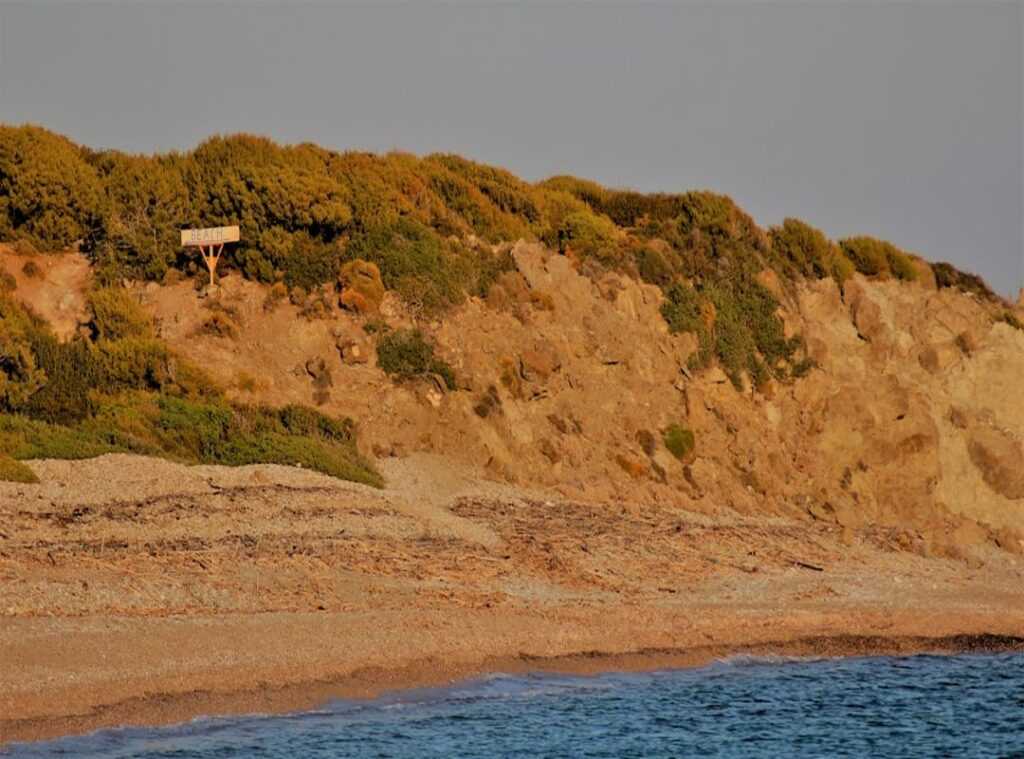
Imagine stepping into your backyard and feeling like you’re on vacation in the Mediterranean. Sounds dreamy, right? But how do you capture that authentic, rustic charm without your garden looking like a mess?
It’s a common problem.
I’ve spent years in space design, crafting low-maintenance outdoor spaces that blend beauty with functionality. I’m here to share what I’ve learned. You don’t need a sprawling estate to create a stunning mediterranean garden style.
This guide breaks down the important elements into straightforward, actionable steps. We’ll dive into choosing the right plants, materials, and layout to transform any space into your own Mediterranean paradise. Trust me, it’s doable.
By the end, you’ll feel confident and inspired, ready to turn your garden into the sun-drenched escape you’ve always wanted.
Exploring Mediterranean Design: Embrace the Essence
Mediterranean garden style isn’t just about picking a few plants. It’s a way of life, embracing the natural world around us. The first principle, Sun and Stone, captures this perfectly.
Hardscaping materials like gravel, terracotta, and light-colored stone aren’t just eye-catching; they reflect the sun’s heat and create durable surfaces. This is key in hot climates where the sun is constant. You don’t want to spend your weekends maintaining a scorched garden, do you?
Next, we dive into Texture Over Color. Forget the riot of colors from traditional gardens. Think of plants with silvery, grey, spiky, or soft foliage.
These textures create depth and interest. Flowers are there, sure, but they’re the accents. They’re not shouting for your attention.
They’re whispering. This subtlety is what makes the Mediterranean approach stand out.
Then there’s the Relaxed Structure. Picture a garden where paths weave gently, plants spill over edges, and seating areas invite you with open arms. It’s the opposite of rigid English gardens.
Here, you’re not being told where to look or go. You’re free to explore. To wander.
Sounds inviting, right?
And don’t forget the fragrance. Herbs like rosemary and lavender aren’t just pretty. They fill the air with scent, adding a sensory layer to your space.
If you’re curious about how other cultures incorporate these ideas, check out japanese space design techniques. It’s fascinating how gardens can tell stories through scent and texture, isn’t it?
Mediterranean Garden Palette: Beyond the Olive Tree
When you think of a Mediterranean garden, what comes to mind? Probably olive trees, right? There’s more to it than that.
This is the heart of design, where every plant plays a key role. Let me break it down for you.
First, the structural stars. These are the trees and large shrubs that give your garden its bones. Ever seen an Italian Cypress standing tall?
It’s like a green exclamation point, adding height and elegance. Olive trees aren’t just iconic; they’re resilient and bring a timeless feel. And fig trees?
They offer shade and a little romance with their broad leaves and sweet fruit. These giants define the space, creating that classic Mediterranean vibe.
Now, to the aromatic and edible layer. Here, the magic happens. Lavender, rosemary, thyme, and sage.
Each herb is a powerhouse of fragrance and texture. They don’t just smell good; they’re tough. Naturally drought-tolerant, these plants laugh in the face of dry spells.
And let’s be honest, they double as a kitchen garden. Who doesn’t love cooking with fresh herbs?
Next up, bursts of resilient color. This is where you get to have fun. Bougainvillea, geraniums, and agapanthus.
They bring lively, long-lasting color that doesn’t demand much water. Imagine a sea of pinks, purples, and reds. It’s like having a festival in your backyard all summer long.
But what if you don’t live in a Mediterranean climate? No problem. Climate-friendly alternatives are your answer.
Instead of olive trees, try Russian Olive or a weeping pear for a similar look. Nepeta (Catmint) can mimic lavender’s appeal. These swaps make the mediterranean garden style accessible no matter where you live.
In the end, the mediterranean garden style isn’t just about recreating a part of Europe at home. It’s about crafting a space that’s both beautiful and functional, using plants that thrive with minimal fuss. So, what’s stopping you from diving into this lush, fragrant world?
Your garden awaits.
Hardscaping & Materials: Building the Garden’s Foundation
When it comes to the Mediterranean garden style, hardscaping is as key as the plants themselves. I’ve learned this firsthand. Pathways and patios set the stage.

Gravel or decomposed granite? They’re my go-to. They’re cost-effective, authentic, and let water seep through.
Compare that to formal pavers, which feel stiff and overly structured. Who wants that in a garden meant to evoke coastal breezes and sunlit afternoons?
Walls and raised beds play their part too. I recommend using light-colored stone or even painted concrete blocks. Why?
They mimic those sun-bleached walls we all love. Raised beds. Another game changer (improve) drainage (a must if you’re serious about plant health).
They also add dimension and interest. It’s like giving your garden a little facelift.
Terracotta and pottery? Important. Use various sizes, group them together. do they create stunning focal points, but they also allow you to grow less hardy plants that need to be whisked inside when it gets too cold.
So practical, right?
And don’t overlook simple, rustic wood elements. A pergola or a bench adds shade and structure. Picture yourself sitting there with a good book.
It’s these little touches that make a garden feel complete.
If you’re dreaming of creating a zen garden oasis, check out more ideas here. It’s all about blending elements to transport you to another world. And trust me, when done right, your garden will feel like a slice of Mediterranean heaven.
Water-Wise Wisdom: Mediterranean Garden Style
I love the Mediterranean garden style for its ability to thrive in dry, hot summers. It’s a smart choice if you’re looking to save water. The secret?
Choosing plants that naturally adapt to these conditions. Think lavender, rosemary, and olive trees. They thrive on neglect (my kind of plants).
Soil matters. Amend it with sand or grit to improve drainage. Trust me, it’s key for these plants.
Ever heard of “hydrozoning”? It’s simple. Group plants with similar water needs together.
You water once, and they’re all happy. Genius, right?
Now, let’s talk mulch. Use gravel or pebbles. They do more than look pretty.
They help retain soil moisture and suppress weeds. Plus, they add to the overall vibe. It’s like having a mini Mediterranean escape right in your backyard.
Try it. You might just find yourself spending more time outside. Isn’t that the point of a garden?
Your Slice of Mediterranean Paradise
You’ve got the blueprint for your very own mediterranean garden style. I get it. Capturing that authentic, relaxed Mediterranean vibe can feel like a mountain to climb.
But here’s the thing: it’s simpler than you think. Focus on sun, stone, and texture. Combine the right plants with the right materials.
Anyone can do it.
Start small. This weekend, grab a sunny corner. Arrange three terracotta pots with lavender, rosemary, and a geranium.
That’s your first step. It’s doable. Feel the Mediterranean warmth unfold in your space.
Explore other decadent landscaping styles too. There’s a world of inspiration out there. But start here.
Start now. Transform your garden into the oasis you’ve always wanted. Head to decadgarden.com.co for more tips and tricks.
Need more guidance? We’re the top-rated hub for garden transformations. Begin your journey with us.
Your Mediterranean escape awaits.