
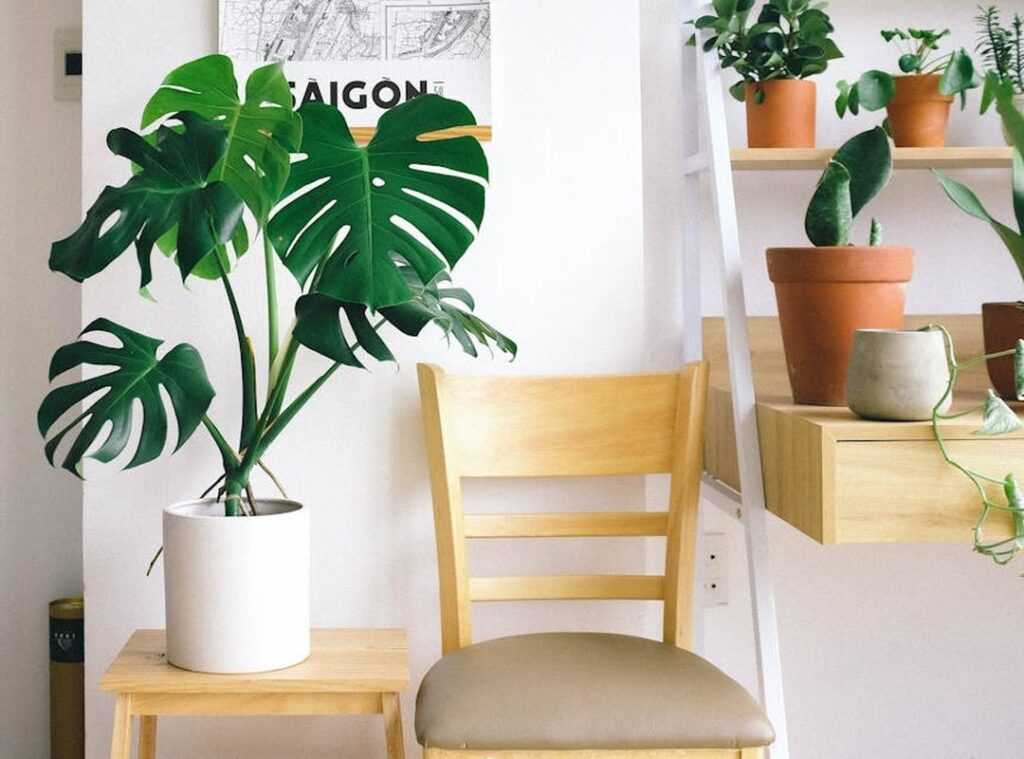
Indoor plants can transform a dull, lifeless room into a lively, living space. But let’s be honest, not everyone has a green thumb or the patience for complex gardening. indoor plant designs come in.
Ever tried figuring out how to incorporate plants into your home without it looking like a jungle? You’re not alone. I’ve been there, standing in the middle of a plant nursery, overwhelmed by choices and clueless about what will actually thrive indoors.
The good news is, you don’t need to be a botanist to make it work. You just need the right guidance. Experts have cracked the code on balancing aesthetics and practicality, making it easier than ever to bring nature inside.
In this article, you’ll discover simple, effective ways to incorporate greenery into your living space. It’s not just about beauty; it’s about creating an environment that supports your well-being. Stick with me, and I’ll show you how easy it really is.
Mastering Indoor Plant Design: Beyond Random Selection
Great plant arrangements aren’t random. They’re based on design principles. Ever wonder why some indoor plant designs look so polished?
It’s not by accident. You need to understand form, texture, and color. we’ll shine brighter than those simplistic listicles. Let’s break it down.
First up, form and height. Think of the “Thriller, Filler, Spiller” method tailored for indoor spaces. Imagine a Snake Plant standing tall.
That’s your thriller. Commands attention. Then there’s the Aglaonema.
Its mounding leaves act as a supportive filler. Lastly, String of Pearls gracefully cascades as a spiller. Each plant plays its role, like a well-rehearsed cast.
Texture is another pillar. Look at contrasting leaves. A ZZ plant’s waxy surface against a Maidenhair Fern’s feathery fronds can add dramatic depth.
Throw in a Calathea with bold patterns, and suddenly, there’s a visual feast. Texture isn’t just a physical thing; it intrigues the viewer, drawing them in for a closer look.
Finally, color palette. Here’s where things get creative. Do you go monochromatic with all green shades?
It’s soothing and sophisticated. Or do you mix analogous colors like chartreuse and yellow for a bit more vibrancy? And let’s not forget complementary schemes.
Sometimes a colorful pot or flowering plant can bring an unexpected pop. Dive into more top 10 trending garden decor ideas to fuel your creativity.
So remember, mastering indoor plant designs is not just about throwing plants together. It’s about intentional choices. That’s how you create something truly captivating.
Curating Your Green Ensemble: Plant Pairings That Actually Work
So you’re trying to figure out which plants to pair, huh? It’s not just about aesthetics (though we all want that Instagram-worthy look). More key is matching plants with similar needs.
Otherwise, you’ll end up with a sad, mismatched bunch. Indoor plant designs demand a bit of thought, especially when considering light and water.
First, let’s talk about the “Low-Light Survivors” Corner. We’ve got the Cast Iron Plant, a Snake Plant, and a Golden Pothos. All of them are champs in low-light, needing minimal fuss.
They’re the indoor plant equivalent of your favorite comfy sweater (reliable) and low-maintenance.
Now, if you’ve got a bright, sunny window, go bold! Think Fiddle Leaf Fig, Croton, and Sedum morganianum. These guys thrive under direct light.
The Croton’s splash of color really gives the space life. It’s like having a small pop art piece in the corner of your room.
Lastly, for your steamy bathroom oasis, pair a Bird’s Nest Fern, a Peace Lily, and an Air Plant mounted on driftwood. These all love humidity (like that friend who only wants to vacation in the Caribbean). The steam from your showers will make them feel right at home.
Curious about more plant combos? Check out the 24 best indoor plants. Find to get inspired.
Trust me, with these pairings, you’ll have a healthy indoor garden but also a space that feels lively and alive. Plus, knowing your plants are happy makes indoor gardening way more rewarding.
The Stage for Your Plants: Crafting the Perfect Display
Choosing the right container for your plants isn’t just a practical decision. It’s a design choice (a) bold stroke on your indoor canvas. Ever noticed how a terracotta pot adds a rustic, bohemian flair?
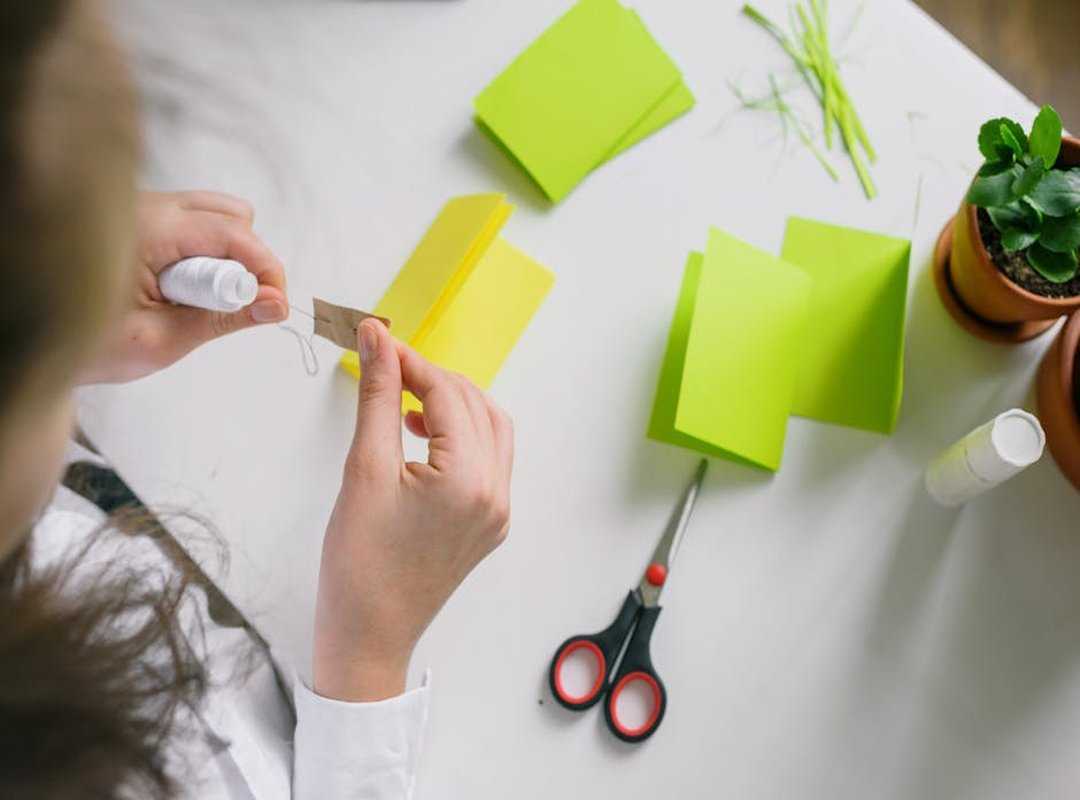
Or how a sleek ceramic pot screams modern minimalism? I have. These choices set the tone for your entire space.
Let’s talk style. Terracotta gives that earthy, lived-in vibe, perfect for those cozy, boho corners. On the other hand, if you’re chasing a minimalist look (think Scandinavian chic), ceramic pots are your best bet.
And for a natural, homey feel, woven baskets work wonders. They’re like the cozy sweater of plant containers.
Mixing pot sizes and heights can transform your space. Think of it like creating a changing movie scene (different) angles, varied heights, all adding depth. Use the “rule of three” or other odd numbers to group your pots.
It creates a rhythm that draws the eye. It’s almost like crafting a melody, each pot playing its own note.
Now, where to place them? Plant stands are perfect for elevating your greenery off the floor. They add height and drama (and who doesn’t love a bit of drama?).
A ‘plant shelfie’ is another fun idea. Arrange smaller pots on a bookshelf for an artistic display. And a simple bench can group medium-sized plants together, creating a mini-forest vibe.
For inspiration on creating eco-friendly spaces, check out this spotlight on eco friendly landscaping techniques. It’s packed with ideas that can raise your indoor plant designs.
Pro tip: Always consider light and space. Plants have their own needs, just like us. The right amount of light can make or break your setup.
So, are you ready to stage your plants like a pro?
Blueprint for Beauty: 3 Step-by-Step Arrangement Recipes
Indoor plant designs can transform any space from drab to fab. Let’s get into it.
Pair it with a colorful Fittonia for that pop of color. These plants work great in coordinated but not identical pots. It’s about balance, not matching.
First up, the Entryway Table Trio. Picture this: a small Zamioculcas Zamiifolia (ZZ Plant) for some height. It’s hardy and thrives in low light.
You want variety to keep things interesting.
Now for the Living Room Corner Statement. This is your chance to make a bold impression. Start with a tall Monstera Deliciosa.
It’s a statement plant (and let’s be real, it’s trendy). Place it behind a medium-sized Philodendron ‘Birkin’. They complement each other beautifully.
Add a trailing Scindapsus Pictus in a pot on a low stool. It spills out, adding texture and depth. It’s like setting up a conversation between plants.
Finally, the Hanging Medley. Use your vertical space wisely. Hang a Spider Plant, a String of Hearts, and a Boston Fern at different heights in a window.
This creates layers and draws the eye upward. It’s changing and lively. Plus, hanging plants are a perfect solution if you’re short on floor space.
Pro tip: Rotate your plants every few weeks. This keeps them growing evenly and prevents that awkward lean towards sunlight.
These steps aren’t just about decoration. They’re about creating a living space that breathes. Each arrangement brings its own vibe, making your home a unique expression of nature and style.
Create Living Art in Your Home
You’re armed with the tools to transform your cluttered plant mess into living art. No more random pots. No more chaos.
By focusing on form, texture, color, and placement, you can craft spaces that inspire. Isn’t that what you’ve wanted all along? Embrace indoor plant designs.
It’s time to act. Choose one corner of your home this weekend and start your first intentional plant arrangement. Your space will thank you for it.
Ready to start?