
Creating a home that feels both beautiful and practical can feel overwhelming, especially when you’re trying to balance interior style, outdoor aesthetics, and everyday functionality. If you’re searching for fresh inspiration that blends decadent garden landscaping with smart interior choices, this article is designed to guide you step by step. We’ll explore how to design a functional home layout that supports your lifestyle, elevate your interiors with timeless concepts, and apply practical maintenance hacks that keep your space looking polished year-round.
Our insights are grounded in proven design principles, expert-backed landscaping strategies, and real-world home maintenance experience. We’ve analyzed emerging home living trends and practical applications to ensure the ideas shared here are both inspiring and achievable. Whether you’re refreshing a single room or reimagining your entire indoor-outdoor flow, you’ll find actionable guidance tailored to help you create a cohesive, elegant living environment.
Ever walk into a beautiful home that somehow feels exhausting? The couch is stylish, yet the walkway is cramped. Closets overflow. Mornings feel like obstacle courses.
Modern life demands more. Your space must support routines, reduce friction, and store what you actually use. In other words, it should work as hard as you do.
Here’s a simple framework:
- Map daily habits and design around them.
- Eliminate dead zones and wasted corners.
- Prioritize closed storage to control visual clutter.
- Create a functional home layout that improves flow.
With these steps, you’ll build a calmer, more efficient home.
Maximizing Flow: The Art of the Effortless Layout
Defining “Traffic Flow”
By thoughtfully arranging your living spaces for daily ease, you can create a sanctuary that harmonizes perfectly with your outdoor oasis, making it the ideal complement to your dream Mediterranean-style garden at home – for more details, check out our How to Design a Mediterranean-Style Garden at Home.
Traffic flow refers to how easily you move between and within rooms. Think of it as your home’s internal highway system. In kitchens, designers often reference the “work triangle” — the distance between sink, stove, and refrigerator — to reduce unnecessary steps (the fewer laps you run while cooking, the better). Still, I’ll admit: not every home fits the textbook triangle perfectly, and sometimes real life wins over diagrams. The goal is a functional home layout that minimizes friction in daily routines.
The “Zone” Strategy
Open plans are popular, but without structure they can feel chaotic. Create zones for work, dining, or relaxation using:
- Rugs to anchor seating areas
- Sofas to subtly divide space
- Lighting to signal purpose
Does this always work flawlessly? Not always. Some layouts resist clean zoning. But defining purpose helps avoid the ALL-IN-ONE-ROOM blur.
Furniture Placement for Function
Rules of thumb:
- 16–18 inches between sofa and coffee table
- 36 inches for walkways
- 24 inches behind dining chairs
These aren’t rigid laws, but they prevent daily bottlenecks.
Harnessing Natural Light
Orient desks and reading chairs toward windows when possible. Studies link natural light to improved mood and productivity (Harvard Health, 2020). You may not control window placement, but you can choose what happens near it.
The Power of Double-Duty: Designing Multi-Functional Spaces

Beyond the Sofa Bed
The era of the clunky sofa bed is OVER. Today’s multi-functional furniture is sleek, stylish, and secretly hardworking (kind of like that friend who “doesn’t work out” but somehow runs marathons). Think coffee tables with hidden storage and lift-tops that rise into instant workstations. Ottomans stash blankets, board games, or that remote you swore was gone forever. Modular shelving adapts as your needs change—because life happens. A well-chosen piece supports a functional home layout without screaming, “I live in a tiny apartment!”
The Home Office Nook
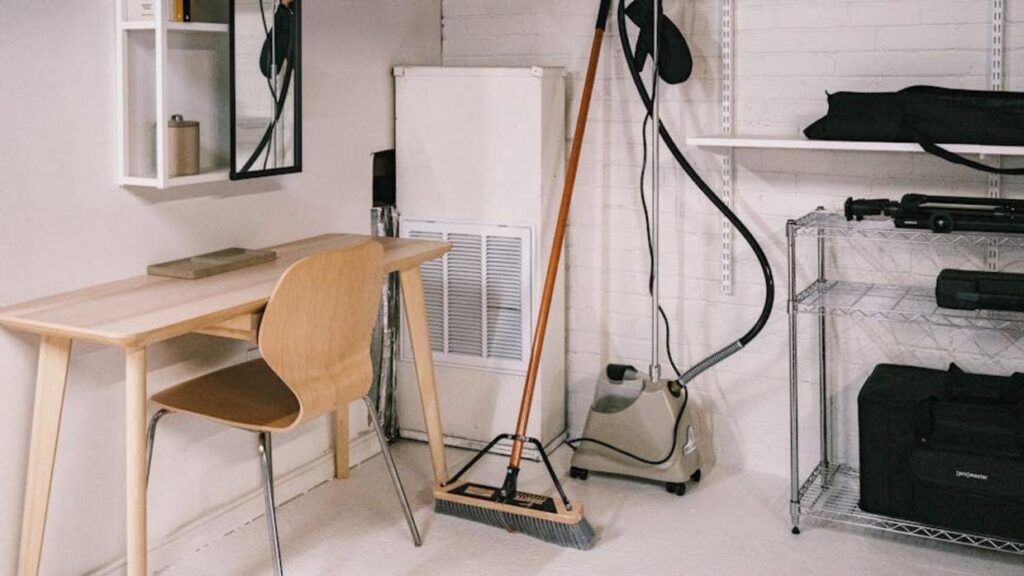
No spare office? No problem. A wall-mounted desk folds away when the workday ends—OUT OF SIGHT, OUT OF MIND. Slim partitions or open shelving create separation without blocking light. Integrated lighting (like sconces or under-shelf LEDs) defines the workspace so it feels intentional, not improvised. Pro tip: choose a chair that complements your décor so it blends in after 5 p.m.
Guest-Ready Rooms
Why let a room sit idle 95% of the year? A craft studio, reading library, or mini fitness zone can convert quickly with a daybed or Murphy bed. Keep guest essentials in labeled bins for a five-minute transformation (no frantic closet shoving required).
Case Study: A Small Apartment Transformation
In a studio, zoning is EVERYTHING. Use a rug to define the living area, a fold-down table for dining, and a storage bed to separate sleeping space. Strategic placement matters—especially when weighing understanding open vs closed floor plans pros and cons. With smart layouts and double-duty pieces, even 400 square feet can feel like a palace (a very efficient palace).
Conquer Clutter: Storage Solutions That Actually Work
Clutter creeps in like ivy—quiet at first, then suddenly it’s wrapping around everything you own. The antidote isn’t a bigger house; it’s smarter strategy.
Think Vertically
If your walls stop at eye level, you’re leaving money on the table. Vertical space is the high-rise district of your home. Floor-to-ceiling shelving, tall cabinets, and wall-mounted organizers pull the eye upward and expand storage capacity without adding square footage. Designers often note that vertical lines make rooms feel taller and more spacious (a principle rooted in basic visual perception research). Think of it as turning your walls into library stacks instead of blank billboards.
The “One In, One Out” Rule
Imagine your home as a nightclub with strict capacity. When something new walks in, something old has to leave. The “One In, One Out” rule keeps volume steady and prevents silent buildup. Buy new sneakers? Donate an old pair. It’s simple, slightly ruthless—and wildly effective.
Hidden in Plain Sight
The best storage is like a good plot twist: you never see it coming. Built-in window seats with drawers, storage headboards, and toe-kick drawers under kitchen cabinets blend function into form. When storage disappears into design, clutter loses its hiding spots.
A System for Everything
A functional home layout works like a well-rehearsed orchestra—every item has its cue. In the entryway, install hooks for bags, a tray for keys, a sorter for mail, and a slim rack for shoes. When everything has a home, mess becomes the guest who never overstays.
Flooring for Real Life
When it comes to flooring, I’ll admit there’s no single “perfect” choice. Luxury vinyl plank (LVP) is affordable, water-resistant, and forgiving with kids and pets. Quartz tile is tougher but pricier. Sealed concrete looks sleek, though it can feel cold (literally and stylistically). Still, each supports a functional home layout by reducing upkeep.
For countertops, quartz and solid surface outperform marble in busy kitchens. They resist stains and scratches better—though some still prefer marble’s patina.
As for upholstery, performance fabrics repel spills and pet hair. I can’t promise they’re indestructible, but they come close.
Efficient living isn’t about stark minimalism or magazine perfection. It’s about designing a home that quietly removes friction from your day. Maybe you’ve felt it: a beautiful space that photographs well but frustrates you every morning. That tension adds up.
The fix is simple, not flashy. Focus on flow, multi-functionality, and smart storage within a functional home layout. Choose furniture that earns its footprint. Create drop zones where clutter naturally lands. Store items where you use them.
Start small:
- Reset your entryway.
- Clear one countertop.
- Add one basket.
Pro tip: test changes for a week.
Feel lighter.
Bring Your Space Together with Purpose and Style
You set out to create a home that feels cohesive, inspiring, and effortless to live in—and now you have the ideas to make it happen. From refined interior details to lush, decadent garden touches and smart upkeep strategies, you’ve seen how thoughtful design choices can completely transform your everyday environment.
But here’s the real challenge: without a clear plan, even the best ideas can turn into clutter, wasted space, or a garden that’s harder to maintain than it is to enjoy. A truly functional home layout paired with intentional landscaping is what turns inspiration into comfort, beauty, and simplicity.
Start by choosing one area—indoors or out—that needs the most attention. Refine the layout. Simplify the elements. Add one statement feature that elevates the entire space. Then build outward with purpose.
If you’re ready to stop guessing and start designing a home that feels curated, cohesive, and easy to maintain, explore our expert-backed ideas and practical hacks today. Thousands of design lovers trust our guidance to transform ordinary spaces into stunning sanctuaries—now it’s your turn. Start planning your upgrade now and bring your vision to life.

 Ask Marta Draperenzon how they got into decadent garden landscaping styles and you'll probably get a longer answer than you expected. The short version: Marta started doing it, got genuinely hooked, and at some point realized they had accumulated enough hard-won knowledge that it would be a waste not to share it. So they started writing.
What makes Marta worth reading is that they skips the obvious stuff. Nobody needs another surface-level take on Decadent Garden Landscaping Styles, Interior Design Inspirations, Browse and Learn. What readers actually want is the nuance — the part that only becomes clear after you've made a few mistakes and figured out why. That's the territory Marta operates in. The writing is direct, occasionally blunt, and always built around what's actually true rather than what sounds good in an article. They has little patience for filler, which means they's pieces tend to be denser with real information than the average post on the same subject.
Marta doesn't write to impress anyone. They writes because they has things to say that they genuinely thinks people should hear. That motivation — basic as it sounds — produces something noticeably different from content written for clicks or word count. Readers pick up on it. The comments on Marta's work tend to reflect that.
Ask Marta Draperenzon how they got into decadent garden landscaping styles and you'll probably get a longer answer than you expected. The short version: Marta started doing it, got genuinely hooked, and at some point realized they had accumulated enough hard-won knowledge that it would be a waste not to share it. So they started writing.
What makes Marta worth reading is that they skips the obvious stuff. Nobody needs another surface-level take on Decadent Garden Landscaping Styles, Interior Design Inspirations, Browse and Learn. What readers actually want is the nuance — the part that only becomes clear after you've made a few mistakes and figured out why. That's the territory Marta operates in. The writing is direct, occasionally blunt, and always built around what's actually true rather than what sounds good in an article. They has little patience for filler, which means they's pieces tend to be denser with real information than the average post on the same subject.
Marta doesn't write to impress anyone. They writes because they has things to say that they genuinely thinks people should hear. That motivation — basic as it sounds — produces something noticeably different from content written for clicks or word count. Readers pick up on it. The comments on Marta's work tend to reflect that.