
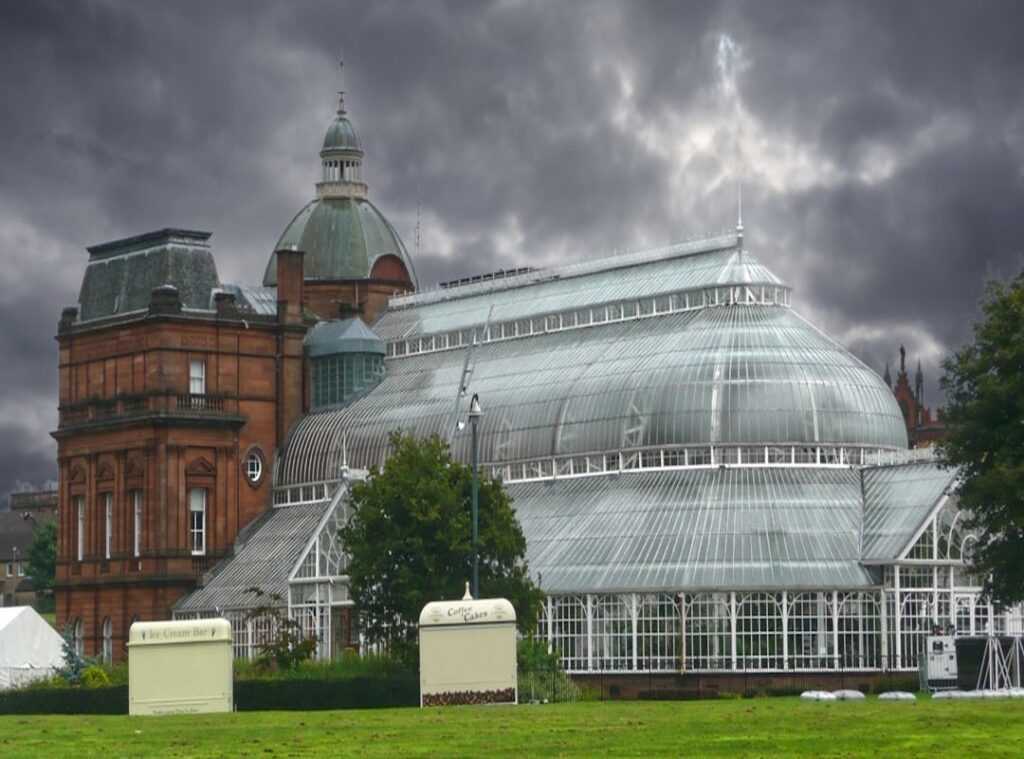
Imagine stumbling upon a forgotten, overgrown garden. You can almost feel the history whispering through the tangled vines. But many hesitate to revive such spaces, fearing they’ll lose that charm or simply don’t know where to start.
I get it. I’ve spent years immersed in historical landscapes, blending the old with the new. Trust me, it’s not as daunting as it seems.
Join me in this step-by-step journey of victorian garden revival. Together, we’ll transform that neglected plot into a breathtaking retreat. You’ll gain the confidence and knowledge to revive that lost era right in your own backyard.
Victorian Garden Secrets: Order, Drama, and Exotic Flair
Victorian gardens aren’t just random old plants thrown together. They’re a well-thought-out design philosophy. It’s about order and drama with hints of the exotic.
Think about detailed geometric flowerbeds, known as parterres, shaping the space. You’ve got garden “rooms” too, each with its own vibe. Symmetry and patterns dominate the pathways and bedding schemes, creating visual harmony. This isn’t just gardening; it’s an art form.
What really sets these gardens apart? The structural elements are key. Picture cast iron benches (they’re not just for sitting), ornate urns, and those well-defined borders using rope-top terracotta edging.
It’s a great example of blending formal structure with lush, dense planting. The dense planting was all the rage back then, and the Victorians nailed it. Their love for symmetry can transform any space into a Victorian garden revival masterpiece.
Want to transform yard into an English cottage style? You might start here. But remember, a Victorian garden isn’t just about looks.
It’s a statement. A nod to history with a modern twist. Just like a well-composed symphony, every element has its place.
Getting it right is as much about feeling as it is about following rules.
Your Restoration Blueprint: Digging into the Past
Feeling lost in the chaos of an overgrown garden? Let me guide you to regain control. Start by becoming a “garden archaeologist” (yes, that’s a thing).
You’re not just digging dirt; you’re uncovering history. Look for clues: faint outlines of old paths, remnants of stone edging, and clusters of resilient old plants hint at your garden’s original layout. It’s like solving a mystery, and who doesn’t love a bit of detective work?
So, where do you begin? First, a practical checklist is key. Assess what’s there.
Keep mature, healthy trees. They’re your anchors. Restore crumbling brick paths.
They’re part of the charm, aren’t they? And out go the invasive modern weeds or diseased shrubs. They have no place in your victorian garden revival.
Now you’ve got a clearer picture of what stays and what goes.
Next, create a simple, hand-drawn master plan. No need for fancy software. Seriously, just grab a pencil.
It doesn’t have to be perfect. This plan maps out the restoration in phases. Phases help you stay motivated and keep the budget under control.
Break it down into manageable chunks. Trust me, this keeps the process less overwhelming.
Does this sound like a lot to tackle? It can be. But taking it step-by-step makes it achievable.
Remember, you’re not just restoring a garden. You’re reviving a piece of history, a victorian garden revival. And every time you step into that garden, you’ll see the fruits of your labor.
Or maybe the flowers of your labor, in this case.
Reclaiming the Structure: Paths, Beds, and Boundaries
When it comes to a Victorian garden revival, you can’t ignore the backbone of the garden (the) hardscaping. Without strong bones, your garden is just a mess of plants. Let’s talk paths first.
Brick, gravel, or flagstone are your best friends. They’re authentic and they scream Victorian elegance. Why settle for anything less?
Your pathways should guide you like a well-planned story, crisp and defined.
Flowerbeds are another story. If they’re not sharp and geometric, you’re missing the point. Victorian gardens thrive on structure.
You’ve got to create clean lines that separate them from the more laid-back, natural styles. It’s like the difference between a tuxedo and a Hawaiian shirt. Both have their place, but for this, you want the tux.
Boundaries matter too. A garden without boundaries is like a novel without chapters. You need that sense of enclosure.
Clipped hedges (think yew or boxwood), stone walls, or even classic wrought iron fencing can create the secluded feel Victorians loved. You want to feel like you’re entering a private world, not just another backyard.
And hey, while we’re on the topic, have you ever considered mixing it up with a Mediterranean Landscaping Luxurious Look? Sometimes blending styles can create something truly unique.
Pro tip: don’t rush the process. Building a Victorian garden takes time, but the results are worth it. So, roll up your sleeves and start shaping your garden’s future.
The Soul of the Garden: Victorian Planting Secrets
to the soul of the Victorian garden revival. Moving from structure to life, the greenery takes center stage. Ever heard of “bedding out”?

It’s a Victorian trick. You plant masses of colorful annuals like Pelargoniums (yes, geraniums), Salvias, and Calceolarias. All for dramatic displays.
Victorians were obsessed with exotic foliage. They loved a good drama in their gardens. Enter the “fern craze” or Pteridomania.
Picture a riot of color that shifts with the seasons.
Ferns, hostas, and canna lilies were all the rage. They create a lush, textured feel, almost like a jungle. Perfect for those who want their garden to whisper tales of the past.
But it wasn’t just about the foliage. Foundational shrubs and climbers played a role too. Think classic old garden roses.
Their scent is unmatched. Wisteria and clematis added vertical interest. They’d cover walls and pergolas, adding romance and scent.
These plants are the backbone of a true Victorian garden.
Want to learn more about Victorian gardening? Check out potagers past and present: a victorian for a deep dive into their kitchen garden history.
Pro tip: Mix in some modern elements with these classics. It’ll keep your garden from feeling like a museum. The Victorian garden revival isn’t just about what you plant.
It’s about how you blend the past with the present. Bold choices in plants create a unique garden experience. So, are you ready to revive your garden’s soul?
Finishing Touches: The Art of Victorian Garden Ornamentation
When it comes to the victorian garden revival, details matter. Want to make your garden pop? Throw in a sundial or a birdbath as a focal point.
It’s like the cherry on top that makes everything else shine.
Seating isn’t just for sitting. An ornate cast-iron bench, strategically placed, turns a view into an experience. You’re not just plopping down to rest; you’re pausing to admire your creation.
In the chaos of garden design, these elements aren’t just finishing touches. They’re personal signatures that complete the historical picture.
Step into Your Garden’s History
A victorian garden revival isn’t just about plants. It’s about bringing your home’s past back to life. I know taking on such a project can be daunting.
That fear of a massive, vague task is real. But here’s the thing: it doesn’t have to be overwhelming. You tackle it step by step.
First, plan out your space. Next, build the structure. Last, plant away.
It’s doable. So here’s what you do next: step outside, map your space, and dream big. Your garden’s awaiting transformation.
Ready to make history? Your first move is just a step away.

 Ask Marta Draperenzon how they got into decadent garden landscaping styles and you'll probably get a longer answer than you expected. The short version: Marta started doing it, got genuinely hooked, and at some point realized they had accumulated enough hard-won knowledge that it would be a waste not to share it. So they started writing.
What makes Marta worth reading is that they skips the obvious stuff. Nobody needs another surface-level take on Decadent Garden Landscaping Styles, Interior Design Inspirations, Browse and Learn. What readers actually want is the nuance — the part that only becomes clear after you've made a few mistakes and figured out why. That's the territory Marta operates in. The writing is direct, occasionally blunt, and always built around what's actually true rather than what sounds good in an article. They has little patience for filler, which means they's pieces tend to be denser with real information than the average post on the same subject.
Marta doesn't write to impress anyone. They writes because they has things to say that they genuinely thinks people should hear. That motivation — basic as it sounds — produces something noticeably different from content written for clicks or word count. Readers pick up on it. The comments on Marta's work tend to reflect that.
Ask Marta Draperenzon how they got into decadent garden landscaping styles and you'll probably get a longer answer than you expected. The short version: Marta started doing it, got genuinely hooked, and at some point realized they had accumulated enough hard-won knowledge that it would be a waste not to share it. So they started writing.
What makes Marta worth reading is that they skips the obvious stuff. Nobody needs another surface-level take on Decadent Garden Landscaping Styles, Interior Design Inspirations, Browse and Learn. What readers actually want is the nuance — the part that only becomes clear after you've made a few mistakes and figured out why. That's the territory Marta operates in. The writing is direct, occasionally blunt, and always built around what's actually true rather than what sounds good in an article. They has little patience for filler, which means they's pieces tend to be denser with real information than the average post on the same subject.
Marta doesn't write to impress anyone. They writes because they has things to say that they genuinely thinks people should hear. That motivation — basic as it sounds — produces something noticeably different from content written for clicks or word count. Readers pick up on it. The comments on Marta's work tend to reflect that.