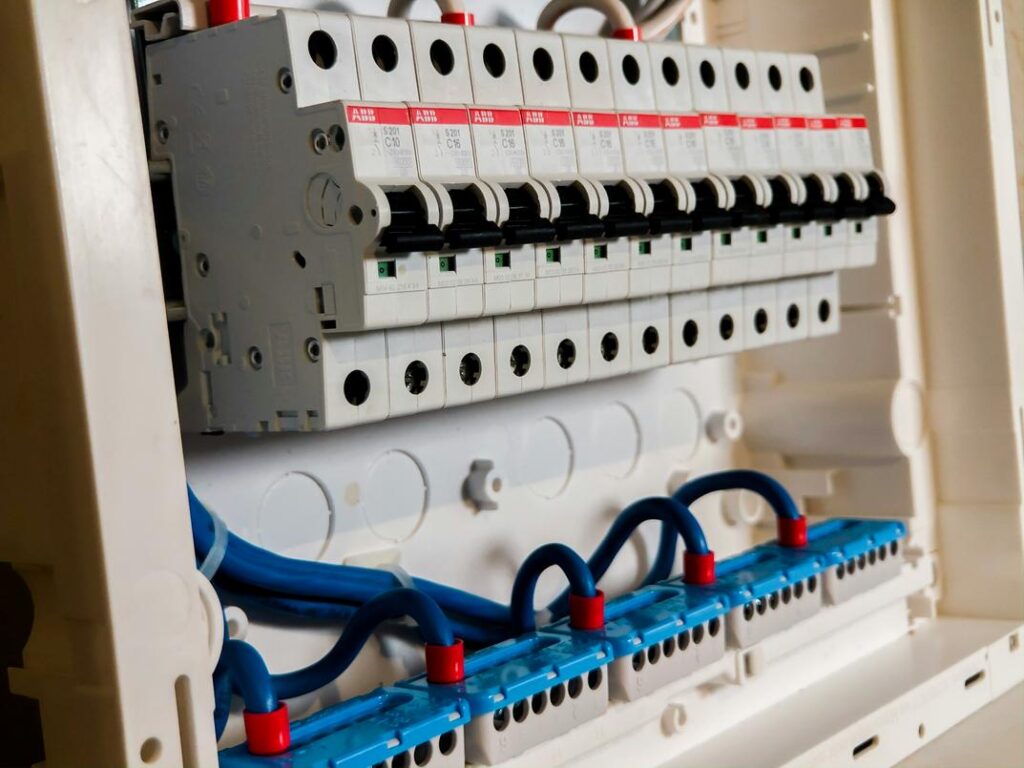
Your home should feel like a place of comfort—not a source of hidden electrical risk. This proactive guide walks you through home electrical safety checks with a clear, step-by-step approach designed for everyday homeowners. Faulty wiring, overloaded circuits, and aging panels can quietly create serious hazards, but knowing what to look for doesn’t have to be overwhelming. Here, complex electrical safety concepts are broken down into simple, actionable steps you can confidently follow. You’ll learn how to perform routine visual inspections, understand your circuit breaker, spot warning signs that require upgrades, and recognize when it’s time to call a professional.
Your Monthly Visual Safety Checklist
A safe home isn’t just about smoke alarms and locked doors. It starts with consistent, intentional observation. Set a reminder once a month and treat these home electrical safety checks like brushing your teeth—simple, routine, non‑negotiable.
Inspect Cords and Plugs
Carefully scan every visible cord. Look for fraying, cracking, or exposed wiring. If a plug feels loose in the outlet, replace it. According to the U.S. Consumer Product Safety Commission, damaged cords are a leading cause of residential electrical fires. Replace—not tape—compromised cords (yes, even if the tape “looks fine”).
Check Outlets and Switches
Examine faceplates for cracks or discoloration. Lightly place your hand near switches and outlets; warmth can signal faulty wiring. If you notice buzzing or frequent tripped breakers, call a licensed electrician. Pro tip: Keep a small flashlight handy to better spot subtle scorch marks.
Prevent Overloading
Avoid plugging major appliances into power strips. Refrigerators, microwaves, and space heaters require dedicated outlets. The National Fire Protection Association reports that electrical distribution systems are involved in thousands of home fires annually. Extension cords should be temporary solutions, not permanent fixtures (they’re guests, not roommates).
Mind the Water
Electricity and moisture are sworn enemies. Keep devices far from sinks and tubs, and install GFCI outlets in kitchens, bathrooms, and outdoor areas. Test GFCIs monthly using the “Test” button.
For broader upkeep strategies, explore 15 easy home maintenance hacks to save time and money.
Consistency is the real upgrade. A few focused minutes each month can prevent costly—and dangerous—surprises later.
Decoding Your Home’s Electrical Command Center
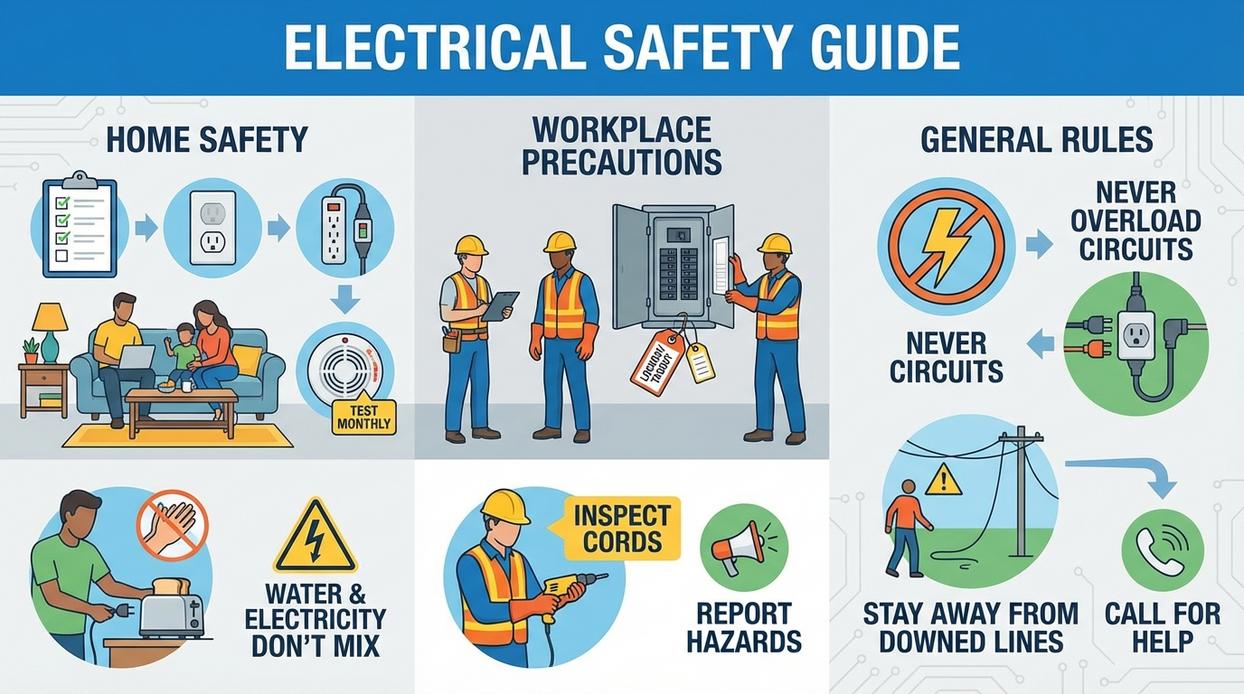
Your circuit breaker panel is the control hub of your home’s power system. Think of it as the bouncer at a crowded club: when too much electricity tries to push through (an overload, meaning more current than a circuit can handle), it shuts things down to prevent fires or damaged appliances. This metal box is your primary safety device, automatically cutting power during faults like short circuits.
How to Safely Reset a Tripped Breaker
If a breaker trips, first unplug devices on that circuit. Open the panel and look for a switch stuck in the middle or “off” position. Firmly flip it fully off, then back on. If it trips again, stop. That’s your cue to call a licensed electrician (no heroics required).
I recommend performing routine visual inspections and scheduling professional home electrical safety checks annually. Pro tip: keep a flashlight near the panel in case the room goes dark.
Clear labeling is non-negotiable. An accurate directory lets you shut off power fast during emergencies—no guessing, no panic.
Watch for warning signs: frequent tripping, a persistent burning smell, buzzing sounds, or visible rust. Some homeowners argue occasional tripping is “normal.” Maybe. But repeated issues usually signal capacity problems or aging components. When in doubt, choose safety over convenience.
Essential Upgrades for Modern Electrical Safety
When it comes to protecting your home, a few smart electrical upgrades can make a dramatic difference. First, consider Ground Fault Circuit Interrupters (GFCIs). A GFCI is a device that shuts off power instantly when it detects a ground fault—an unintended path between electricity and water or a person. These are required in kitchens, bathrooms, garages, and outdoor areas because moisture increases shock risk. Testing is simple: press the “Test” button to cut power, then “Reset” to restore it. If it doesn’t respond, it’s time for replacement (and yes, that’s your cue to call a pro).
Meanwhile, Arc-Fault Circuit Interrupters (AFCIs) focus on fire prevention. An electrical arc is a high-energy discharge caused by damaged wires or loose connections. Standard breakers often miss these subtle but dangerous faults. AFCIs detect irregular arc patterns and shut circuits down before sparks become flames. They’re especially important in bedrooms and living spaces where cords, lamps, and devices cluster together. Some critics argue AFCIs trip too easily. However, research from the Electrical Safety Foundation International shows arc faults are a leading cause of home electrical fires, making the extra sensitivity worthwhile.
Then there are Tamper-Resistant Receptacles (TRRs). These outlets contain internal shutters that open only when equal pressure is applied to both slots, preventing children from inserting objects. Think of it as a built-in safety gate for every outlet.
Looking ahead, experts speculate that smart panels integrating real-time monitoring into routine home electrical safety checks may soon become standard. Why wait for a problem to spark when prevention is this accessible?
Electrical issues rarely fix themselves—and ignoring them costs more later. Watch for these RED FLAGS and act fast:
• Flickering or dimming lights often signal a loose connection or overloaded circuit. A professional diagnosis prevents damage to appliances and reduces fire risk.
• Sparks or burning odors are urgent warnings of a dangerous fault. Immediate service protects your home and your family.
• Buzzing sounds from outlets, switches, or the breaker panel indicate abnormal wiring or device failure.
• Outdated aluminum or knob-and-tube wiring needs evaluation during routine home electrical safety checks to ensure safe, reliable power.
Peace of mind is priceless. Act today.
Weaving Safety into the Fabric of Your Home
Your goal was simple: make sure your living space is truly safe. Now you know how proactive habits and consistent home electrical safety checks can dramatically reduce hidden risks. Electrical hazards may stay out of sight, but the damage they cause is very real—and often preventable.
By committing to quick visual inspections and understanding modern safety devices, you’re taking control instead of leaving your family’s safety to chance. Don’t wait for a flicker, spark, or outage to remind you what’s at stake.
Take five minutes right now to complete a visual safety check. A few small actions today can prevent costly, dangerous problems tomorrow.