
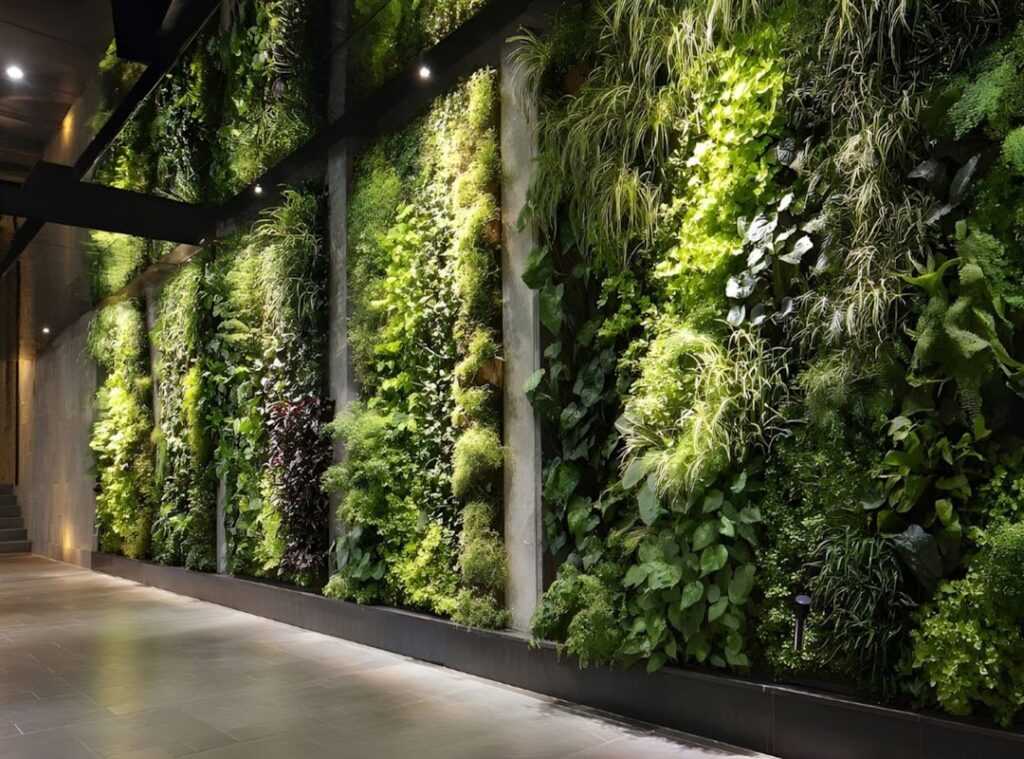
Struggling to make your garden eco-friendly? You’re not alone. Eco-friendly landscaping is more than just a buzzword; it’s the future. But does it really matter?
Yes, it does. Not just for the planet, but for your peace of mind. I’ve been knee-deep in soil testing these methods (literally), and I can tell you they’re worth it.
Why should you trust me? I’ve spent years digging into this topic, consulting experts and living it myself. Our landscapes reflect our values, and turning them green is a solid statement.
It’s not just about pretty flowers. It’s about creating a sustainable environment right at home.
What will you find here? We’re diving into practical tips (no) fluff. On how to transform your yard into an eco-friendly haven.
You’ll learn how to conserve water, improve soil health, and choose native plants. Ready to change your space and, maybe, your worldview? Let’s get started.
What Does a ‘Sustainable Space’ Actually Mean?
Ever wondered what “sustainable landscaping” is all about? It’s simple. It’s about creating a garden that works with your environment, not against it.
Imagine using what’s around you, like soil and climate, to make your garden thrive. Sounds smart, right?
Sustainable landscaping centers on a few core principles: conserving water, building healthy soil, reducing waste, and supporting local wildlife. These aren’t just fancy words. They’re practical steps you can take for an eco-friendly landscaping approach.
First, you get lower water bills. By choosing plants that need less water, you save money. Also, there’s less yard work.
How does it benefit you? Let me break it down.
The right plants mean less pruning and mowing. Who doesn’t want that? Plus, you avoid expensive chemicals.
Healthy soil and native plants naturally resist pests, which is a win for your wallet and the earth.
Your garden becomes a beautiful, living space, attracting birds and butterflies. It’s like having a mini paradise in your backyard. Want inspiration?
Check out famous gardens around the world. They show just how rewarding sustainable landscapes can be.
The Foundation: Smart Water-Wise Strategies
Water consumption is a beast of a problem, isn’t it? Costs pile up, and before you know it, your wallet’s crying for mercy. But listen up.
The concept of “hydrozoning” is a game-changer in eco-friendly landscaping. You group plants by their thirst levels. Put the needy ones near the tap and the tough, drought-tolerant types farther out.
It’s smart, it’s fast, and it saves you a ton of trouble.
Now, let’s talk about drip irrigation and soaker hoses. These are far better than sprinklers. Why?
They deliver water right to the roots where it’s needed and cut down on evaporation. Less waste, more growth. It’s like giving your plants a direct line to the water cooler.
Rain barrels are another no-brainer. They’re dead easy to set up. Just capture that free rainwater and use it in your garden.
It’s like collecting gold from the sky (well, sort of). Plus, you’re doing the planet a solid.
Mulching. You can’t skip this. A 2-3 inch layer of mulch isn’t just for show.
It keeps the soil cool, locks in moisture, and throws a wet blanket over weeds. It’s like a protective layer for your garden.
Finally, consider drought-tolerant plants. I’ll get into those more later, but trust me, they’re worth it. With these smart strategies, eco-friendly landscaping isn’t just a buzzword.
It’s a way to save cash and effort while keeping your garden thriving. Who wouldn’t want that?
Planting with Purpose: The ‘Right Plant, Right Place’ Philosophy
“Right Plant, Right Place” is my mantra for creating a low-maintenance garden. It’s all about knowing your space and working with it, not against it. You ever plant something and just watch it struggle?
That’s not what we’re after here.
Native plants are the unsung heroes of eco-friendly landscaping. They’re perfectly adapted to the local climate, soil, and rainfall. Makes sense, right?
They thrive with less water and fuss. No need to baby them with constant attention.
Want to know my secret to a successful garden? Observe your yard. Seriously, just go outside.
Look at the sun (does) your area get full sun, part shade, or full shade? How’s the soil? Sandy, clay, loamy?
I’ve learned this the hard way. Choosing a sun-loving plant for a shady corner will only end in frustration. For both you and the plant.
And please, don’t think native plants mean boring. You can create lush, lively landscapes that feel anything but sparse. Think colorful, think decadent.
I mean, who wouldn’t want a garden that looks like a Monet painting?
The best part? Less work for you. Your garden should be a place of joy, not a battleground.
Plus, if you’re interested in how this all fits into making your space gorgeous, learn more about turning your garden into a showstopper. It’s like having a stunning garden without the guilt or the sweat. That’s smart gardening.
Black Gold: The Secret to Sustainable Gardens
Healthy soil is the backbone of any sustainable garden. When soil thrives, it retains water better and nourishes plants without the need for synthetic fertilizers. It’s like giving your garden a natural multivitamin.

But how do you get there? Simple: composting. Think of it as nature’s recycling system.
You toss in grass clippings, leaves, veggie scraps, and coffee grounds. Before you know it, you’ve got rich, dark compost.
Using finished compost is a game-changer. You can sprinkle it over garden beds or mix it into potting soil. The result?
Your plants get a nutrient boost without the chemical overload. Plus, by composting, you’re cutting down on waste. Those scraps could have ended up in a landfill, but instead, they’re enhancing your garden.
And let’s be honest, who doesn’t want free fertilizer? It’s a win-win for anyone into eco-friendly landscaping. If you’re curious about diving deeper into sustainable practices, check out this overview.
It’s a fantastic resource to expand your garden knowledge. So grab that kitchen waste and start composting. Your garden (and the planet) will thank you.
Inviting Nature In: Wildlife Haven at Home
Want to breathe life into your garden? Let’s talk eco-friendly landscaping. It’s not just about saving resources.
It’s about creating a living space. Supporting local pollinators like bees and butterflies is key. And don’t forget the birds!
Plant flowers that offer nectar all year round. A shallow birdbath? Perfect.
It’s simple yet effective. Leave seed heads on flowers like coneflowers and sunflowers over winter. Birds love those (trust me).
But please, ditch the chemical pesticides. They kill beneficial insects too, not just pests. Isn’t it time we stopped harming what we’re trying to protect?
Your garden can be a sanctuary. Not just a pretty patch of green. Let’s invite nature in, one small step at a time.
Your Low-Effort Garden Starts Now
You’ve got the know-how to ditch that time-sucking, money-draining garden. Remember how frustrating it was? You don’t need that headache.
By embracing eco-friendly landscaping, you partner with nature to create a self-sustaining, beautiful space. It’s not about doing everything at once. Start small.
This weekend, why not lay some mulch or plant a native flower? You’ll see the difference. Take control and let your garden work for you.
It can be resilient and stunning without all the hassle. Ready to make it happen? Get started today and watch your garden thrive effortlessly.

 Charles Belleriono writes the kind of interior design inspirations content that people actually send to each other. Not because it's flashy or controversial, but because it's the sort of thing where you read it and immediately think of three people who need to see it. Charles has a talent for identifying the questions that a lot of people have but haven't quite figured out how to articulate yet — and then answering them properly.
They covers a lot of ground: Interior Design Inspirations, Highlight Hub, Decadent Garden Landscaping Styles, and plenty of adjacent territory that doesn't always get treated with the same seriousness. The consistency across all of it is a certain kind of respect for the reader. Charles doesn't assume people are stupid, and they doesn't assume they know everything either. They writes for someone who is genuinely trying to figure something out — because that's usually who's actually reading. That assumption shapes everything from how they structures an explanation to how much background they includes before getting to the point.
Beyond the practical stuff, there's something in Charles's writing that reflects a real investment in the subject — not performed enthusiasm, but the kind of sustained interest that produces insight over time. They has been paying attention to interior design inspirations long enough that they notices things a more casual observer would miss. That depth shows up in the work in ways that are hard to fake.
Charles Belleriono writes the kind of interior design inspirations content that people actually send to each other. Not because it's flashy or controversial, but because it's the sort of thing where you read it and immediately think of three people who need to see it. Charles has a talent for identifying the questions that a lot of people have but haven't quite figured out how to articulate yet — and then answering them properly.
They covers a lot of ground: Interior Design Inspirations, Highlight Hub, Decadent Garden Landscaping Styles, and plenty of adjacent territory that doesn't always get treated with the same seriousness. The consistency across all of it is a certain kind of respect for the reader. Charles doesn't assume people are stupid, and they doesn't assume they know everything either. They writes for someone who is genuinely trying to figure something out — because that's usually who's actually reading. That assumption shapes everything from how they structures an explanation to how much background they includes before getting to the point.
Beyond the practical stuff, there's something in Charles's writing that reflects a real investment in the subject — not performed enthusiasm, but the kind of sustained interest that produces insight over time. They has been paying attention to interior design inspirations long enough that they notices things a more casual observer would miss. That depth shows up in the work in ways that are hard to fake.