
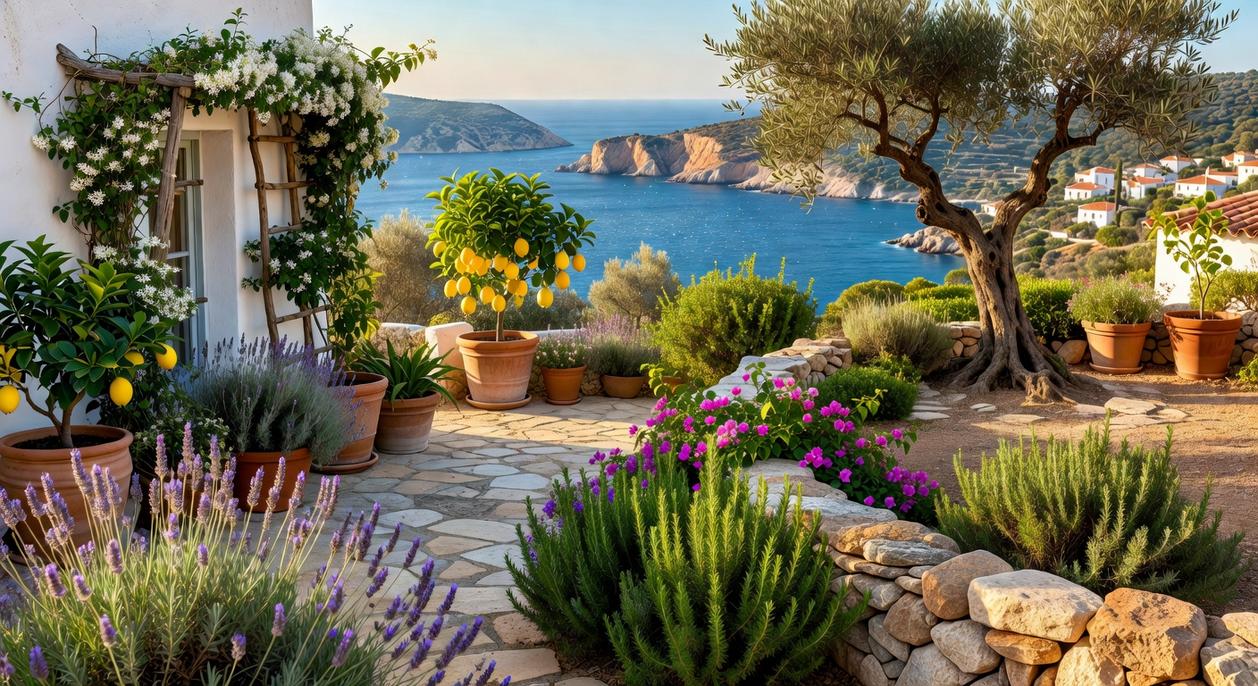
If you’re searching for ways to transform your outdoor space into a warm, inviting retreat, this guide to mediterranean style garden design will give you the clarity and inspiration you need. From sun-soaked color palettes and textured stone pathways to drought-tolerant plants and relaxed seating areas, this article explores how to create a landscape that feels both timeless and effortlessly elegant.
Many homeowners love the idea of a Mediterranean-inspired garden but struggle to balance beauty with practicality. Here, you’ll discover design principles, plant selections, layout ideas, and maintenance tips that make achieving this look realistic—no matter your space or experience level.
Our insights are grounded in proven landscaping techniques, climate-conscious planting strategies, and years of hands-on design observation. By the end, you’ll understand not just the aesthetic elements of mediterranean style garden design, but how to bring them together in a way that thrives in your own backyard.
The Pillars of Mediterranean Garden Design
Pillar 1 – Embrace the Sun
Mediterranean gardens are built for brightness. Back in 2020, after one unusually rainy spring delayed several landscape projects, designers were reminded just how much this style depends on heat and light. Open courtyards, pale stone surfaces, and south-facing seating areas maximize every hour of sunshine. Unlike shade-loving English borders, mediterranean style garden design thrives in exposure (the hotter, the better). Think sun-washed villas in coastal Spain—bleached walls, sharp shadows, and plants that bask rather than wilt.
Pillar 2 – Earthy Textures and Tones
Foundational materials ground the space in warmth and history:
- Gravel pathways that crunch underfoot
- Rustic stone walls that age gracefully
- Terracotta pots that deepen in color over time
These elements create texture without fuss. Terracotta, a kiln-fired clay, regulates soil temperature naturally—practical and beautiful.
Pillar 3 – Water as a Precious Resource
This philosophy favors drought-tolerance over thirsty lawns. After three months of summer heat, lavender and olive trees still stand resilient. Simple fountains recirculate water, offering sound without waste.
Pillar 4 – Structured Informality
Straight paths and clipped hedges provide order, while rosemary and bougainvillea spill freely. It’s tailored yet relaxed (like linen that wrinkles perfectly).
Crafting Your Sun-Kissed Plant Palette
Ever plant a “Mediterranean” garden only to watch it look flat, fussy, or worse—like a random collection of shrubs baking in the sun? You’re not alone. The secret isn’t just drought tolerance. It’s layering.
Structural Evergreens (The Bones)
These are the anchors—the plants that hold everything together when flowers fade and seasons shift. Think Olive trees, prized for their silvery foliage and sculptural trunks (yes, even young ones have character). Italian Cypress delivers that unmistakable vertical drama—like nature’s exclamation point. And Bay Laurel? It’s perfect for clipped shapes and tidy hedges, adding structure without feeling stiff.
Some argue evergreens feel too formal. But without them, gardens can look chaotic by late summer. Structure first, flair second. (Trust me, your future self will thank you.)
Aromatic Herbs (The Scent)
If your garden doesn’t smell amazing, something’s missing. Lavender, Rosemary, Thyme, and Sage define the sensory experience. These herbs thrive in lean soil and double as ground covers or border plants. Creeping thyme spilling between pavers softens hard lines and releases fragrance underfoot—practical and poetic.
A common frustration? Overwatering. Mediterranean herbs prefer neglect. Pro tip: improve drainage before planting; soggy roots are their downfall.
Flowering Accents (The Color)
For bold pops, layer in heat-lovers. Bougainvillea climbs walls in electric pinks and magentas. Agapanthus delivers striking blue or white spheres that hover above strappy leaves. Santolina offers silver foliage and cheerful yellow button flowers—ideal for contrast.
Some gardeners worry bright colors feel overpowering. The fix? Keep your base palette muted so blooms shine without chaos.
Grasses and Groundcovers
To avoid that rigid, over-designed look (we’ve all seen it), add movement. Stipa tenuissima creates a meadow-like shimmer, while creeping thyme knits pathways together. These soften stone edges and make mediterranean style garden design feel effortless rather than staged.
Because in the end, the goal isn’t perfection. It’s harmony that feels sun-warmed and lived-in.
Essential Hardscaping: Stone, Wood, and Water Features
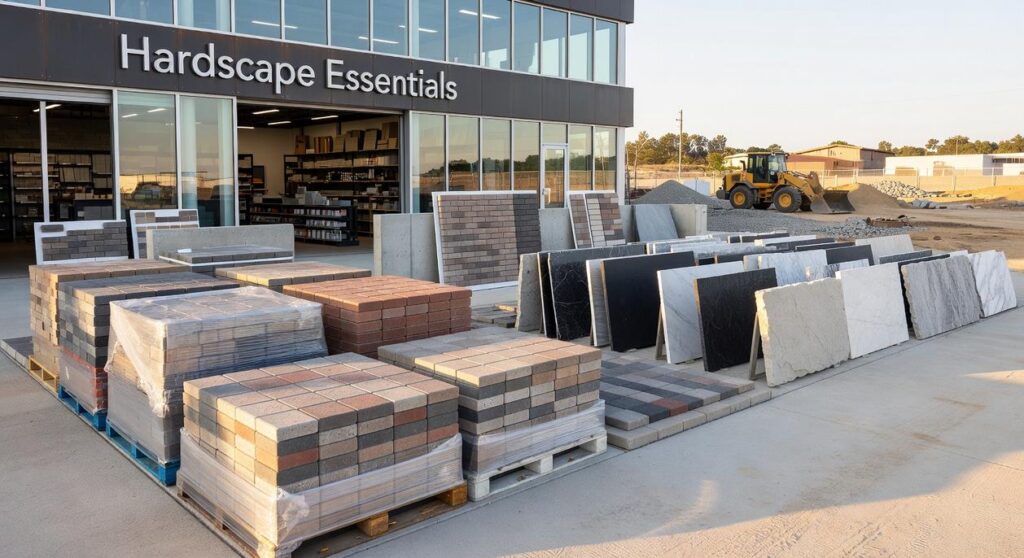
Hardscaping—the non-living elements of a garden—creates structure, usability, and long-term character. Get these foundations right, and everything else feels intentional.
Patios and Seating Areas
First, consider how you’ll actually use the space. Flagstone offers irregular edges and warm tones for a relaxed, sun-baked terrace. Pea gravel is budget-friendly and permeable (meaning water drains through it), though it may require occasional raking. Poured concrete, when lightly stained or textured, delivers durability with a rustic finish. For mediterranean style garden design, blending stone with gravel softens the look while keeping maintenance manageable.
Pergolas and Shade Structures
Next, add shade. A simple wooden pergola—cedar or pressure-treated pine—creates relief from harsh afternoon sun. More importantly, it supports climbing plants like grapevines or wisteria, which provide natural cooling over time. Anchor posts securely in concrete footings to prevent shifting.
The Sound of Water
Rather than installing a complex system, opt for a wall-mounted or tiered fountain. The goal is gentle, cooling sound—not spectacle. If you’re exploring larger concepts, see incorporating water features into high end landscapes. Keep pumps accessible for easy maintenance.
The Power of Pottery
Finally, layer in aged terracotta pots, urns, and olive jars. Their patina adds authenticity, while varying heights create visual rhythm. Group in odd numbers for balance (it just works).
Low-Effort Luxury: Maintaining Your Mediterranean Oasis
First, rethink watering. Instead of daily sprinkles, soak deeply once or twice a week. Deep, infrequent watering pushes roots downward, making plants more drought-resistant (a strategy backed by the University of California Agriculture & Natural Resources). Practically speaking, let the hose run slowly at the base for 20–30 minutes, then stop.
Next, top beds with gravel or crushed shells. This mulch locks in moisture, blocks weeds, and sharpens that mediterranean style garden design look.
When pruning, take a minimalist approach. Lightly trim herbs after flowering for fullness, but otherwise let natural shapes shine.
Finally, allow selective self-seeding—Gaura and Verbena bonariensis will gently fill gaps. Pro tip: thin seedlings early for balanced growth.
Bring Your Mediterranean Vision to Life
You set out to understand how to create a garden that feels warm, timeless, and effortlessly elegant. Now you have the inspiration and practical direction to turn that vision into reality with mediterranean style garden design.
From textured stone pathways to drought-tolerant plants and inviting outdoor living spaces, every element works together to solve the same challenge: creating a beautiful landscape that thrives in the heat while remaining low-maintenance and welcoming year-round.
Don’t let another season pass with a yard that feels uninspired or difficult to manage. The right design approach can transform your outdoor space into a relaxing retreat that’s both functional and stunning.
If you’re ready to upgrade your garden with proven ideas, expert-backed inspiration, and practical maintenance tips trusted by thousands of home design enthusiasts, now is the time to act. Start planning your transformation today and turn your outdoor space into the Mediterranean escape you’ve been dreaming of.