

Planning a home refresh shouldn’t feel like chasing fleeting fads. As styles evolve faster than ever, it’s easy to feel stuck between what’s current and what will still feel relevant in a few years. This guide cuts through the noise by defining the core interior design trends 2026 set to shape our homes in meaningful, lasting ways. Instead of spotlighting short-lived aesthetics, we explore four major style movements, complete with curated material palettes, color schemes, and practical tips. Whether you’re redesigning one room or reimagining your entire space, you’ll gain a clear, confident roadmap for creating a home that feels both fresh and timeless.
Biophilic Integration: Where Nature Reclaims the Indoors
Biophilic integration isn’t about placing a fern in the corner and calling it a day. It’s about designing a home that breathes like a forest—where walls feel less like barriers and more like tree lines gently marking space. Think of it as architecture exhaling.
At its core, biophilic design means intentionally connecting people with nature through the built environment. Instead of synthetic perfection, you invite texture, imperfection, and organic flow indoors. Raw materials become the storytellers: reclaimed wood with visible grain, rough-hewn stone, rammed earth walls, and lime wash finishes that feel like sunlight captured in plaster.
The material palette works like a well-composed landscape painting:
- Reclaimed wood that ages gracefully (because character beats perfection).
- Stone accents that ground a room like bedrock beneath your feet.
- Bamboo, cork, and mycelium furniture—renewable materials that grow back instead of run out.
Large, unadorned windows act as picture frames for the outdoors, while interior courtyards and living walls blur the line between shelter and sanctuary. The effect? Your home feels less like a box and more like a greenhouse for the soul.
Color choices deepen the illusion. Terracotta, olive, ochre, and charcoal echo canyon walls and forest floors, pairing naturally with the materials themselves.
Some argue this look feels unfinished. But that “unfinished” quality is the point—it mirrors nature, which never rushes to polish every edge. In interior design trends 2026, this grounded authenticity feels less like a trend and more like a return home.
Digital Cozy: The Art of Invisible Technology
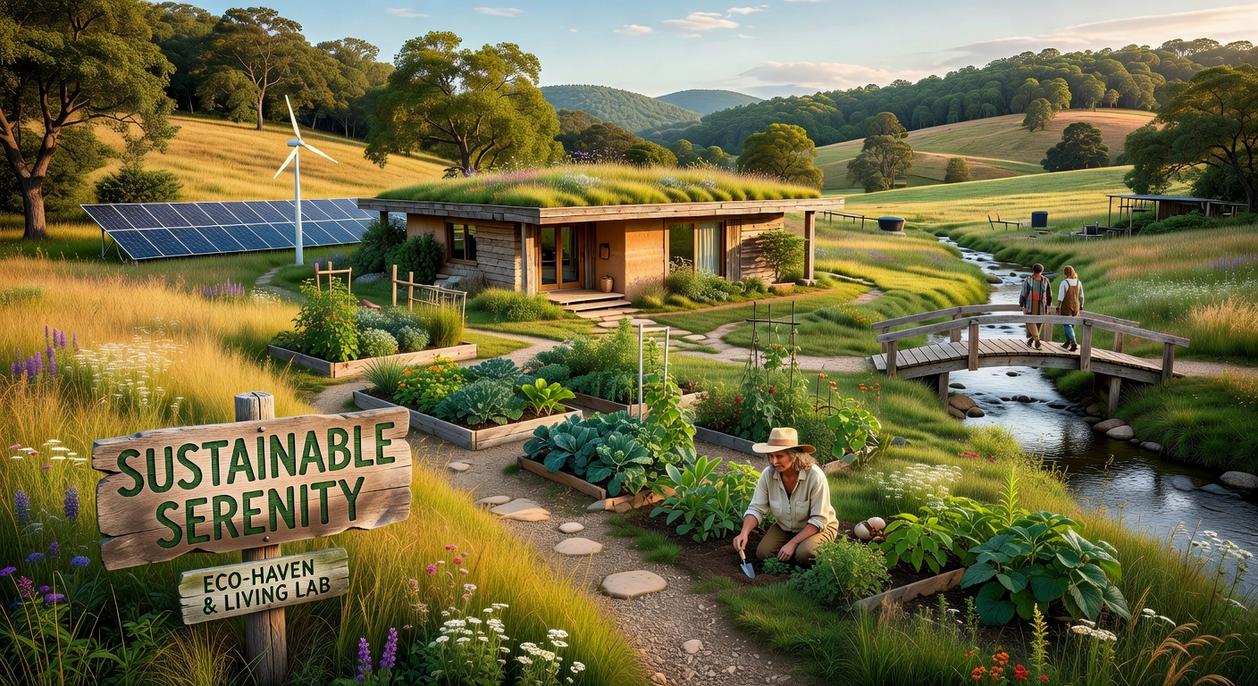
For years, smart homes meant glowing panels, visible wires, and that slightly sci‑fi, “Did I just walk onto a spaceship?” feeling. Digital Cozy flips that script. Instead of technology demanding attention, it disappears into comfort.
Think of it as Cold Tech vs. Warm Tech.
Cold Tech: exposed screens, metallic finishes, blue LED indicators blinking all night. Function-first, feeling-second.
Warm Tech: circadian rhythm lighting that shifts from energizing daylight tones to amber evening hues (supporting sleep cycles, according to Harvard Health Publishing). Speakers hidden behind textured wall panels. Charging ports tucked discreetly inside nightstands. The tech works—you just don’t see it working.
Some argue that showcasing gadgets signals innovation and status. Fair point. A sculptural smart display can look impressive. But when every device competes for attention, your home starts to feel like a showroom instead of a sanctuary. Digital Cozy chooses ambiance over applause.
Materials do the heavy lifting. Rounded sofas in bouclé soften the geometry of screens. Velvet cushions and chunky knits absorb sound and light, creating calm. Even smart textiles—fabrics that heat or cool on demand—prioritize physical comfort over flashy features (yes, your throw blanket can now multitask).
This philosophy is gaining traction in interior design trends 2026, where wellness outranks wow-factor.
Pro tip: If a device can’t blend in, frame it—literally. Mount screens within art walls or millwork so they feel intentional, not intrusive.
A smart home can be efficient. A soft home can be nurturing. Digital Cozy proves you don’t have to choose.
Retro-Futurism: Nostalgia with a Modern Polish
Retro-futurism is the art of imagining the future the way people in the 1970s and 80s once did—then refining it with today’s taste level. It’s not about copying your grandmother’s avocado fridge (unless you’re truly committed). Instead, it’s a reinterpretation of Space Age curves, disco-era glamour, and early tech optimism—updated with restraint.
Back in 2019, maximalist throwbacks dominated social feeds. By 2023, many homeowners realized that wall-to-wall boldness was exhausting. Now, in the wave of interior design trends 2026, retro-futurism has matured. The look is cleaner, materials are higher quality, and statement pieces stand alone rather than compete.
Think curvaceous, low-slung furniture—serpentine sofas and modern conversation pits (yes, they’re back). Add bold geometric tiles, chrome accents, colored glass, and high-gloss lacquer finishes. But here’s the twist: instead of avocado green, opt for muted sage; instead of harvest gold, choose saffron or mustard, grounded by warm neutrals.
Some critics argue retro-inspired design feels gimmicky or short-lived. They’re not entirely wrong—trend-chasing can date a space quickly. However, when bold elements are used intentionally—like a single sculptural sofa or a lacquered coffee table—the result feels curated, not chaotic.
Pro tip: invest in craftsmanship. Curves require precision, and cheap materials ruin the effect.
If you’re unsure where past meets present, explore how to mix modern and vintage decor seamlessly.
Because great retro-futurism doesn’t live in the past—it redesigns it.
Quiet Luxury: The Power of Craftsmanship and Longevity
Quiet luxury might be the ultimate anti-trend—though calling it a “trend” feels ironic. It resists the churn of interior design trends 2026 by focusing on exceptional craftsmanship and materials that improve with age. Think bespoke joinery (custom-built woodwork made precisely for a space), hand-finished surfaces, and artisan-made furniture.
Hallmarks include solid wood instead of veneer, genuine leather that patinas over time, marble with natural veining, and hand-woven wool rugs. There’s an emphasis on material honesty—nothing pretending to be something else.
The mindset? Buy once, buy well. Still, I’ll admit: not everyone agrees this is practical. Forever pieces cost more upfront. Yet when a dining table lasts decades (and survives countless dinner parties), the value becomes clear. It’s curated slowly, personally—never rushed.
Designing Your Future: A Home That Evolves With You
You came here to understand the defining shifts shaping interior design trends 2026—from nature-infused spaces and humanized technology to nostalgic touches and an emphasis on lasting quality. Now you have the clarity to move forward with confidence.
The real takeaway? Great design isn’t about chasing every trend. It’s about creating a sanctuary that supports your well-being and adapts as your life evolves. Your home should feel restorative, personal, and built to last—not overwhelming or disconnected from who you are.
Don’t let uncertainty stall your vision. Use these trends as your toolbox. Start selecting the elements that resonate, experiment with intention, and transform your space into a home that truly reflects you—beautiful, functional, and future-ready.

 Ask Marta Draperenzon how they got into decadent garden landscaping styles and you'll probably get a longer answer than you expected. The short version: Marta started doing it, got genuinely hooked, and at some point realized they had accumulated enough hard-won knowledge that it would be a waste not to share it. So they started writing.
What makes Marta worth reading is that they skips the obvious stuff. Nobody needs another surface-level take on Decadent Garden Landscaping Styles, Interior Design Inspirations, Browse and Learn. What readers actually want is the nuance — the part that only becomes clear after you've made a few mistakes and figured out why. That's the territory Marta operates in. The writing is direct, occasionally blunt, and always built around what's actually true rather than what sounds good in an article. They has little patience for filler, which means they's pieces tend to be denser with real information than the average post on the same subject.
Marta doesn't write to impress anyone. They writes because they has things to say that they genuinely thinks people should hear. That motivation — basic as it sounds — produces something noticeably different from content written for clicks or word count. Readers pick up on it. The comments on Marta's work tend to reflect that.
Ask Marta Draperenzon how they got into decadent garden landscaping styles and you'll probably get a longer answer than you expected. The short version: Marta started doing it, got genuinely hooked, and at some point realized they had accumulated enough hard-won knowledge that it would be a waste not to share it. So they started writing.
What makes Marta worth reading is that they skips the obvious stuff. Nobody needs another surface-level take on Decadent Garden Landscaping Styles, Interior Design Inspirations, Browse and Learn. What readers actually want is the nuance — the part that only becomes clear after you've made a few mistakes and figured out why. That's the territory Marta operates in. The writing is direct, occasionally blunt, and always built around what's actually true rather than what sounds good in an article. They has little patience for filler, which means they's pieces tend to be denser with real information than the average post on the same subject.
Marta doesn't write to impress anyone. They writes because they has things to say that they genuinely thinks people should hear. That motivation — basic as it sounds — produces something noticeably different from content written for clicks or word count. Readers pick up on it. The comments on Marta's work tend to reflect that.