

The air inside your home plays a bigger role in your well-being than you might think. Beyond simply cracking open a window, understanding home ventilation basics is key to creating a space that feels fresh, healthy, and comfortable year-round. Stale indoor air can trap pollutants, excess moisture, and allergens—affecting both your health and your home’s structure. This guide explores how air naturally moves through a space, the main types of ventilation systems available, and how each works. By the end, you’ll know which approach best suits your needs and how to improve your home’s air quality with confidence.
Why Your Home Needs to Breathe: Beyond Fresh Air
The Core Functions of Ventilation
Think of ventilation as your home’s respiratory system. Its job isn’t just “fresh air.” It does three critical things:
- Dilutes and removes pollutants like VOCs (volatile organic compounds—chemicals released from paint, furniture, and cleaners), carbon dioxide (CO2), and cooking fumes. According to the EPA, indoor air can be 2–5 times more polluted than outdoor air (EPA.gov).
- Controls humidity, reducing the risk of mold and mildew.
- Supplies oxygen-rich air so occupants stay alert and comfortable (no more mid-afternoon brain fog that feels like you’re in a stuffy classroom).
The ‘Sealed Box’ Problem
Old homes: drafty but breathable.
Modern homes: energy-efficient but airtight.
That’s A vs B. With today’s insulation and sealing standards, fresh air doesn’t “leak” in like it used to. Great for energy bills. Not great for air quality. Without mechanical systems, pollutants get trapped inside—turning your home into a sealed box. Mechanical ventilation isn’t a luxury anymore; it’s part of home ventilation basics.
Signs of Poor Ventilation
Watch for:
- Persistent window condensation
- Musty odors
- Mold in corners or bathrooms
Even smart storage solutions for small living spaces can’t fix stale air (though organization helps airflow). Good ventilation protects both your design and your health.
The Three Foundational Ventilation Strategies
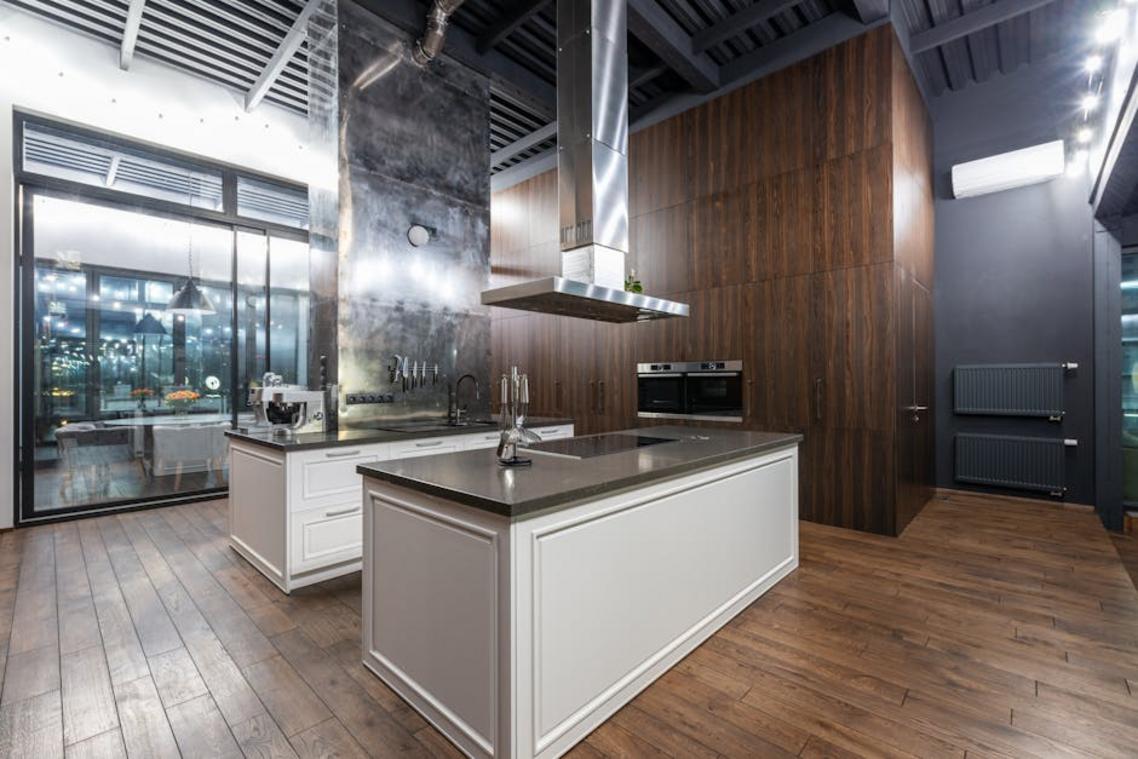
When it comes to home ventilation basics, I’ve found most homeowners overcomplicate things. At its core, ventilation is simply the process of exchanging stale indoor air with fresh outdoor air. How you do that, however, changes everything.
Strategy 1: Natural Ventilation – The Power of Nature
Natural ventilation relies on windows, doors, and vents to move air through wind pressure and the stack effect (warm air rising and escaping, pulling cooler air in behind it). It’s beautifully simple. Open a window, and nature does the work.
The pros? It’s cost-free and easy to use. The cons? Also obvious. It’s unreliable, weather-dependent, and can invite pollen, pollution, and even neighborhood barbecue smoke inside (great for cookouts, less great at midnight). Security can also become a concern with open windows.
Some argue natural ventilation is “good enough.” I disagree. Fresh air is wonderful, but unpredictability isn’t a strategy.
Strategy 2: Mechanical (or Spot) Ventilation – Targeted Air Removal
This is your bathroom fan and kitchen exhaust hood. Spot ventilation removes moisture and odors directly at the source before they spread. That steamy post-shower air? Gone. Last night’s garlic-heavy dinner? Handled.
It’s the most basic mechanical approach, and in my opinion, it’s non-negotiable. Without it, moisture lingers, increasing mold risk (EPA notes that controlling moisture is key to preventing mold growth). Simple fans, big impact.
Strategy 3: Whole-House Mechanical Ventilation – A Comprehensive System
This strategy uses a dedicated system to ventilate the entire home continuously or intermittently. Unlike open windows, it delivers consistent, controlled airflow regardless of weather.
Some homeowners hesitate because of cost or complexity. Fair point. But if comfort, air quality, and long-term durability matter to you, this is the gold standard. Controlled air beats hopeful cross-breezes every time.
Decoding the Technology: Types of Whole-House Systems
When it comes to whole-house ventilation, not all systems play the same game. Understanding the differences goes beyond home ventilation basics—it’s about knowing how each system interacts with your climate, building envelope, and even your lifestyle.
Exhaust-Only Systems
First, exhaust-only systems work by depressurizing your home. In simple terms, fans pull stale indoor air out, and fresh air sneaks in through cracks and gaps in the structure (yes, even the ones you didn’t know existed). These systems are typically best for colder climates because they reduce the risk of pushing moist indoor air into wall cavities.
However, critics argue they’re affordable and “good enough.” That’s partially true—they’re cost-effective and easy to install. But here’s what often gets overlooked: they can pull in radon, dust, or fumes from garages and crawlspaces. According to the EPA, radon exposure is the second leading cause of lung cancer in the U.S. That’s not a minor footnote.
Supply-Only Systems
On the other hand, supply-only systems pressurize the home by pushing filtered outdoor air inside. This approach works well in hot or mixed climates because it helps keep humid outdoor air from being drawn through wall cavities.
Still, in colder regions, this same pressure can force moisture into insulated walls, potentially leading to condensation and mold (the villain in every home horror story). Building Science Corporation has documented moisture damage risks tied to improper pressurization strategies.
Balanced Systems (HRV & ERV): The Gold Standard
Finally, balanced systems supply and exhaust equal amounts of air, maintaining neutral pressure. Heat Recovery Ventilators (HRVs) transfer heat between incoming and outgoing air, while Energy Recovery Ventilators (ERVs) transfer both heat and moisture.
Some homeowners hesitate due to upfront costs. Fair point. Yet balanced systems offer superior energy efficiency and comprehensive air quality control—often reducing heating and cooling loads, as noted by the U.S. Department of Energy. Pro tip: In humid climates, ERVs typically outperform HRVs because of their moisture management edge.
In short, the real advantage isn’t just fresh air—it’s precision control competitors rarely explain.
Understanding the basics of home ventilation is crucial for maintaining a healthy indoor environment, which ties into why home improvement, as discussed in our article ‘Why Home Improvement Is Important Mintpalhouse,’ is essential for enhancing both comfort and air quality.
Breathe Better, Live Better
You set out to understand how to create a healthier indoor space, and now you have a solid grasp of the home ventilation basics that truly make a difference. From natural airflow to balanced systems, you can see how each approach supports comfort, air quality, and long-term home health.
Ignoring ventilation leads to lingering odors, excess moisture, and an uncomfortable living space. That discomfort won’t fix itself—taking action is the only way forward.
Start by evaluating your home today. Notice condensation? Persistent smells? Use kitchen and bath fans consistently and explore a whole-house solution that fits your climate. Ready to transform stale air into fresh comfort? Take the first step now and create the indoor environment your home deserves.

 Ask Marta Draperenzon how they got into decadent garden landscaping styles and you'll probably get a longer answer than you expected. The short version: Marta started doing it, got genuinely hooked, and at some point realized they had accumulated enough hard-won knowledge that it would be a waste not to share it. So they started writing.
What makes Marta worth reading is that they skips the obvious stuff. Nobody needs another surface-level take on Decadent Garden Landscaping Styles, Interior Design Inspirations, Browse and Learn. What readers actually want is the nuance — the part that only becomes clear after you've made a few mistakes and figured out why. That's the territory Marta operates in. The writing is direct, occasionally blunt, and always built around what's actually true rather than what sounds good in an article. They has little patience for filler, which means they's pieces tend to be denser with real information than the average post on the same subject.
Marta doesn't write to impress anyone. They writes because they has things to say that they genuinely thinks people should hear. That motivation — basic as it sounds — produces something noticeably different from content written for clicks or word count. Readers pick up on it. The comments on Marta's work tend to reflect that.
Ask Marta Draperenzon how they got into decadent garden landscaping styles and you'll probably get a longer answer than you expected. The short version: Marta started doing it, got genuinely hooked, and at some point realized they had accumulated enough hard-won knowledge that it would be a waste not to share it. So they started writing.
What makes Marta worth reading is that they skips the obvious stuff. Nobody needs another surface-level take on Decadent Garden Landscaping Styles, Interior Design Inspirations, Browse and Learn. What readers actually want is the nuance — the part that only becomes clear after you've made a few mistakes and figured out why. That's the territory Marta operates in. The writing is direct, occasionally blunt, and always built around what's actually true rather than what sounds good in an article. They has little patience for filler, which means they's pieces tend to be denser with real information than the average post on the same subject.
Marta doesn't write to impress anyone. They writes because they has things to say that they genuinely thinks people should hear. That motivation — basic as it sounds — produces something noticeably different from content written for clicks or word count. Readers pick up on it. The comments on Marta's work tend to reflect that.