
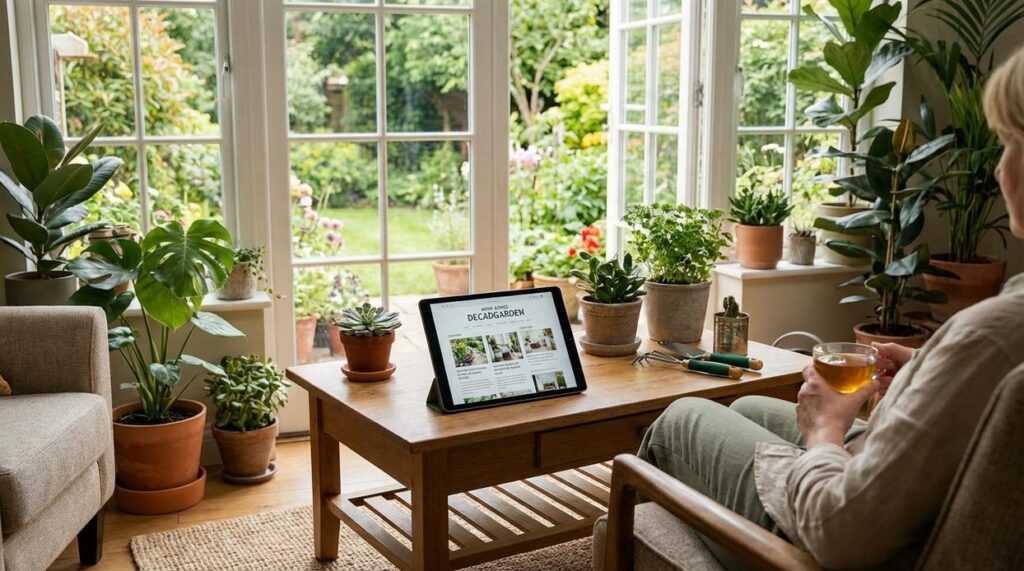
I’ve seen too many people stare at their yard and feel stuck before they even start.
You want a garden that looks like it belongs in a magazine. But every time you think about planning it, the whole thing feels too complicated. Too expensive. Too much.
Here’s the truth: you don’t need a landscape designer to create something beautiful.
I’ve spent years figuring out what actually works when you’re turning a bare patch into a space you’re proud of. And most of it comes down to a few simple principles that anyone can follow.
This guide walks you through the real steps. Planning that makes sense. Planting that doesn’t require a degree in horticulture. Maintenance that fits into your actual life.
At home advice decadgarden, we focus on making high-end looks accessible. I’ve tested these methods on dozens of spaces and they work whether you’re starting with dirt or fixing a garden that’s gone wrong.
You’ll learn how to design your space, choose plants that thrive (not just survive), and keep everything looking good without spending every weekend on your knees.
No overwhelm. No guessing. Just a clear path to the garden you’ve been picturing.
The Foundation: Understanding Your Unique Canvas
Most garden guides skip this part.
They jump straight to plant lists and design ideas. But that’s like trying to paint a masterpiece without looking at your canvas first.
I learned this the hard way when I planted $300 worth of shade-loving hostas in what I thought was a shaded corner. Turns out, it got six hours of direct afternoon sun. They fried in two weeks.
Now some people will tell you that gardening is all about trial and error. Just plant stuff and see what happens. They say overthinking kills the joy of it.
And look, I get where they’re coming from. Analysis paralysis is real.
But here’s what that approach costs you. Time. Money. And the frustration of watching plants die when you could’ve prevented it with one afternoon of observation.
Sun mapping changes everything.
Spend a single day tracking where sunlight hits your yard. Check at 9 AM, noon, 3 PM, and 6 PM. Take notes or snap photos. You’ll spot patterns you never noticed before (that “shady” spot might be getting blasted for four hours).
Full sun means six-plus hours. Partial sun is three to six. Anything less is shade.
Your soil tells you what’ll grow and what won’t. Grab a handful after a rain. Does it clump into a tight ball? That’s clay. Does it fall apart immediately? Sand. Somewhere in between? You’ve got loam, which is what most plants want.
The home advice Decadgarden approach focuses on working WITH what you have instead of fighting it.
Here’s the thing about hardiness zones.
The USDA divides the country into zones based on average minimum winter temperatures. Kentucky sits mostly in zones 6a to 7a. This matters because a plant rated for zone 8 will DIE here when winter hits. Not struggle. Die.
Check your zone once. Remember it forever.
But before you pick a single plant, answer this: what do you actually want from this space?
A quiet spot to drink coffee? You need different plants than someone who wants to host barbecues. Growing tomatoes requires different planning than a low-maintenance flower bed.
I’ve seen people create beautiful gardens that they never use because they never asked this question first.
Your space is unique. The sunlight patterns, the soil composition, your climate, your goals. No cookie-cutter approach works.
That’s not a problem. That’s your advantage.
The Art of Plant Selection: Curating Your Green Palette
Most people walk into a nursery and grab whatever catches their eye.
Then they get home and wonder why their garden looks like a mess.
Here’s what I’ve learned after years of designing gardens. Plant selection isn’t about buying the prettiest flowers. It’s about creating a look that actually works together.
Start with a color scheme. Pick cool tones like purples and blues, or go warm with yellows and oranges. You could even stick to one color family (which honestly makes everything easier). When designing your virtual paradise in Decadgarden, starting with a carefully chosen color scheme—whether you opt for soothing cool tones or vibrant warm shades—can truly elevate the overall aesthetic and immersive experience. When designing your virtual paradise in Decadgarden, the choice of a soothing color scheme can transform your gameplay experience, making it not only visually stunning but also a true reflection of your personal style.
When you limit your palette, something interesting happens. Your garden stops looking random and starts looking intentional.
Now let’s talk about annuals versus perennials.
Perennials come back every year. They’re your foundation. Your reliable players that show up season after season without you replanting.
Annuals? They die after one season. But here’s why I still use them. They give you those bright pops of color when you need them most. Plus you can switch things up each year without committing.
I use perennials for structure and annuals for fun.
The thriller, filler, spiller method changed how I approach containers. It’s simple. Pick one tall plant (your thriller), add some medium plants to fill space (your fillers), then include trailing plants that spill over the edges.
This formula works because it creates natural balance. You get height, volume, and movement without overthinking it.
But here’s what most people miss entirely.
Foliage matters more than flowers. Flowers bloom for a few weeks if you’re lucky. Leaves stick around all season (sometimes all year). Yard Guide Decadgarden builds on exactly what I am describing here.
I look for plants with interesting leaf shapes and textures. Some home advice decadgarden experts will tell you to focus only on blooms, but that leaves you with boring gaps between flowering periods.
Mix in hostas, ferns, or ornamental grasses. Your yard decoration decadgarden will look good even when nothing’s blooming.
That’s the real secret to a garden that works.
Design Secrets for a High-Impact Garden

Most people think good garden design is complicated.
They see those magazine spreads and assume you need a degree in landscape architecture or a five-figure budget to pull it off.
You don’t.
I’ve been designing gardens long enough to know that a few simple principles can transform even the most basic yard into something that makes your neighbors slow down when they walk past.
The truth is, most gardens fail because people skip the fundamentals. They buy plants they like and stick them wherever there’s space. Then they wonder why it all looks messy.
Let me show you what actually works.
Start with Layers
Think about how you see a garden. Your eye naturally moves from front to back.
So put your shortest plants up front. Medium height in the middle. Tallest in the back.
Sounds obvious, right? But you’d be surprised how many people ignore this. They plant a tall ornamental grass right at the edge of a bed and block everything behind it.
When you layer properly, you create depth. The garden feels full instead of flat. Every plant gets its moment.
Repeat Yourself (On Purpose)
Here’s where most amateur designs fall apart.
They treat their garden like a plant collection. One of everything. No connection between sections.
I do the opposite. I pick a few plants and use them multiple times throughout the space.
Maybe it’s the same purple salvia appearing in three different beds. Or boxwoods that frame several areas. The repetition creates rhythm. It tells your eye where to go next. In the enchanting realm of virtual gardening, the concept of “Yard Decoration Decadgarden” beautifully illustrates how thoughtful repetition and strategic placement of elements can create a harmonious landscape that guides the eye and elevates the overall aesthetic experience. In the enchanting realm of virtual gardening, the concept of “Yard Decoration Decadgarden” beautifully illustrates how thoughtful design elements, much like the harmonious repetition of plants, can create a mesmerizing visual journey for players as they cultivate their digital landscapes.
Your garden starts looking intentional instead of random. That’s the difference between a space that feels designed and one that just happened.
Give People Something to Look At
Every good garden needs a focal point.
A birdbath. A Japanese maple. A piece of sculpture. Something that anchors the whole design.
Without it, your eye wanders around looking for a place to land. With it, everything else falls into place.
I usually put focal points at the end of sight lines or where paths intersect. Somewhere your eye naturally travels when you step outside.
It doesn’t need to be expensive. Just different enough to stand out.
Mix Your Textures
This is my favorite trick. And it’s one of those Garden Hacks Decadgarden enthusiasts talk about all the time.
Pair plants with different leaf shapes and sizes next to each other.
Fine, delicate ferns beside big, bold hostas. Spiky grasses next to rounded shrubs. Smooth leaves against fuzzy ones.
The contrast adds visual weight. It makes your garden feel more sophisticated without adding a single extra plant.
Most people stick with similar textures because it feels safe. But safe is boring. And boring gardens don’t stop anyone in their tracks.
When you start playing with texture, you’ll notice the difference immediately. Your beds suddenly have dimension. They look fuller even if you haven’t added more plants.
That’s what good design does. It makes you look twice.
Smarter Maintenance: Hacks for a Thriving, Low-Effort Garden
Most garden advice tells you to water every day.
That’s actually killing your plants.
I learned this the hard way when I moved to my place here in Lexington. I was out there every morning with the hose, thinking I was being a responsible gardener. My tomatoes looked terrible.
Here’s what nobody talks about.
Your plants need deep roots to survive. When you water a little bit every day, roots stay shallow. They never learn to reach down into the soil where the real moisture lives.
The better approach? Water deeply but less often. Soak the soil until water reaches 6 to 8 inches down. Then leave it alone for a few days.
And water the roots, not the leaves. Morning is best because any water that does hit the foliage can dry before nightfall. Wet leaves at night invite fungal diseases (which is about as fun as it sounds).
Now let’s talk about mulch.
This is the one thing that changed everything for me. A 2 to 3 inch layer around your plants does three jobs at once.
It keeps moisture in the soil so you water less. It blocks weeds from sprouting. And as it breaks down, it feeds your soil with organic matter.
I use shredded bark around perennials and straw in my vegetable beds. Both work great.
Want more flowers?
Deadhead them. That means cutting off blooms once they fade.
Most plants bloom to make seeds. When you remove spent flowers, the plant thinks it failed and tries again. You get more blooms all season instead of one flush and done.
Takes maybe five minutes when you’re walking through the garden anyway.
Feeding doesn’t have to be complicated.
I feed flowering plants every 4 to 6 weeks during growing season. Vegetables get fed when they start producing. Perennials get one good feeding in early spring. For gamers looking to cultivate their own vibrant oasis, exploring the “Garden Hacks Decadgarden” can provide invaluable tips on when to feed your flowering plants, vegetables, and perennials for optimal growth. For gamers looking to cultivate their own vibrant oasis, exploring the “Garden Hacks Decadgarden” can provide invaluable tips on when to feed plants and optimize their growth throughout the seasons.
That’s it. You can find more home advice decadgarden tips that keep things simple without sacrificing results.
Most people overthink this stuff. Your garden doesn’t need you to be perfect. It just needs you to be consistent with a few basic practices.
Your Beautiful Garden Awaits
You came here feeling overwhelmed by the idea of creating a garden.
I get it. Looking at an empty yard or a neglected space can feel paralyzing. Where do you even start?
But now you have something different. You have a plan.
The principles I’ve shared aren’t complicated. They’re about understanding your specific space and applying simple design rules that actually work.
You don’t need to be an expert. You just need to start small and build from there.
Here’s what makes this approach different: it meets you where you are. Your soil conditions matter. Your sunlight matters. Your lifestyle matters.
When you work with these factors instead of against them, everything gets easier.
Don’t try to transform your entire yard this weekend. Pick one small area that excites you. Maybe it’s that corner by the fence or the strip along your walkway.
Apply what you’ve learned here. Watch what happens.
Your garden will grow. So will your confidence.
For more home advice decadgarden tips and design inspiration, you’ll find everything you need to keep building on this foundation.
Start small. Start today.