

Found some strange droppings on your patio or in the garage? You’re probably wondering, “What animal left this?” and “Should I be concerned?”
I get it. It’s a bit unsettling to find something like that. But don’t worry, I’m here to help.
This guide is all about bentuk tahi ular and how to tell if those droppings are from a snake. We’ll cover the key visual characteristics and how to distinguish them from other common animal droppings.
You’ll also learn what simple, safe steps to take next. Correct identification is the first step toward peacefully and safely managing the wildlife around your property.
Key Characteristics of Snake Droppings: What to Look For
When you come across bentuk tahi ular, it’s important to know what you’re looking at. The most crucial identifying feature is that snake droppings are a composite of dark feces and a white or yellowish ‘cap’ of uric acid.
The fecal part is often elongated, cord-like, or a small log. Sometimes, it can be more of an amorphous pile.
The white urate cap is the snake’s version of urine. It’s usually attached to one end of the dark fecal matter.
Droppings may contain indigestible parts of the snake’s prey. You might see visible bits of hair, bones, scales, or insect exoskeletons.
Size matters. The size of the droppings directly correlates with the size of the snake. They can range from very small, like those of a garter snake, to quite large, like those of a python or boa.
Common locations for snake droppings include near basking spots, along foundation walls, or in sheltered areas like woodpiles or sheds.
If you find these droppings, take a closer look. Identifying them can help you understand if snakes are frequenting your area.
Pro tip: If you spot droppings, consider checking for other signs of snake activity, such as shed skins or tracks. This can give you a better idea of the species and their habits.
Is It a Snake, a Lizard, or a Rodent? A Comparison Guide
Let’s get one thing straight: identifying droppings isn’t the most glamorous task, but it can be super helpful. Especially if you’re trying to figure out what critters are hanging around your space.
Snake vs. Lizard Droppings: These two can look very similar. Both have a dark fecal part and a white urate cap.
The main difference is in the size. Lizard droppings are almost always significantly smaller.
Snake vs. Bird Droppings: Bird droppings are typically more liquid or splattered. They also contain white uric acid and dark feces, but these are usually mixed together into a paste, not a distinct solid with a cap. Decadgarden
Snake vs. Rodent Droppings: Mouse or rat droppings are small, hard, dark pellets. They often look like grains of rice or seeds.
Unlike reptile droppings, they are uniform in color and have no white urate cap.
Snake vs. Toad/Frog Droppings: Amphibian droppings can be log-shaped and might contain insect parts. But they lack the distinct white urate cap that you see in reptiles and birds.
So, here’s a simple tip: If it’s a solid, dark dropping with a distinct white spot or cap on the end, you are likely at a reptile. Size is the next clue to narrow it down.
Oh, and if you come across bentuk tahi ular, that’s just another way of saying snake droppings. Keep that in mind as you play detective in your backyard.
What It Means to Find Snake Droppings in Your Yard
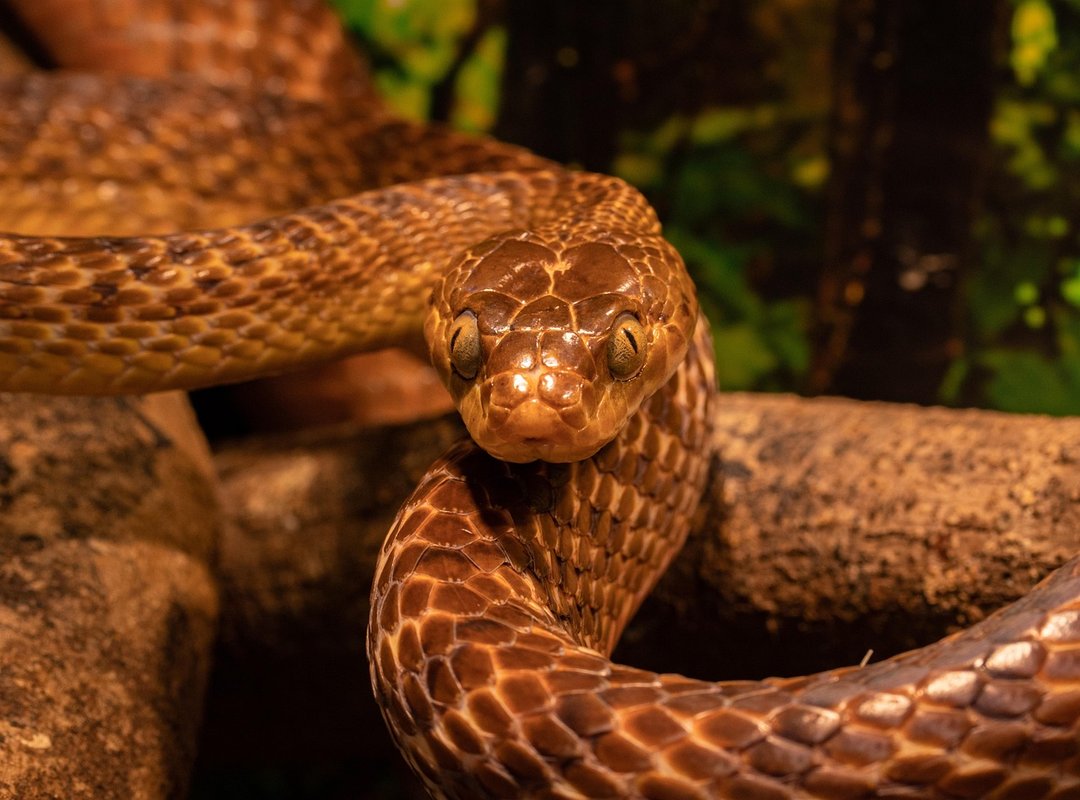
Finding snake droppings, or bentuk tahi ular, in your yard means a snake is either living on your property or using it as part of its regular territory.
Don’t panic. The presence of most common garden snakes is often a sign of a healthy ecosystem. They play a vital role in controlling pests like mice, rats, and slugs.
So, what attracts snakes to your yard? Food sources like rodent or insect infestations, reliable water sources such as ponds, birdbaths, or leaky hoses, and ample shelter like dense vegetation, rock walls, woodpiles, or foundation cracks.
Understanding why the snake is there is key to managing the situation. While the droppings don’t identify the species, their size can give a rough idea of how large the snake might be, helping you decide on your next steps.
In the end, having a snake around can actually be beneficial. They help keep pest populations in check, which can save you from more serious problems down the line.
Safe Cleanup and Practical Tips for a Snake-Free Zone
Always wear disposable gloves before starting the cleanup. Use a small shovel or paper towels to pick up bentuk tahi ular. Seal the droppings in a plastic bag and dispose of them in the trash.
Clean the affected area, especially on hard surfaces like concrete or decking, with a disinfectant spray or a simple 1:10 bleach and water solution to eliminate any bacteria.
Remove shelter by clearing brush and sealing foundation gaps. Eliminate food sources by addressing rodent problems. Secure water sources to make the area less inviting.
Avoid using ineffective and potentially harmful commercial repellents or folk remedies like mothballs, which do not work and can be toxic to pets and other wildlife. Creating a less inviting environment is the most effective and long-term solution for encouraging snakes to move elsewhere.

 Charles Belleriono writes the kind of interior design inspirations content that people actually send to each other. Not because it's flashy or controversial, but because it's the sort of thing where you read it and immediately think of three people who need to see it. Charles has a talent for identifying the questions that a lot of people have but haven't quite figured out how to articulate yet — and then answering them properly.
They covers a lot of ground: Interior Design Inspirations, Highlight Hub, Decadent Garden Landscaping Styles, and plenty of adjacent territory that doesn't always get treated with the same seriousness. The consistency across all of it is a certain kind of respect for the reader. Charles doesn't assume people are stupid, and they doesn't assume they know everything either. They writes for someone who is genuinely trying to figure something out — because that's usually who's actually reading. That assumption shapes everything from how they structures an explanation to how much background they includes before getting to the point.
Beyond the practical stuff, there's something in Charles's writing that reflects a real investment in the subject — not performed enthusiasm, but the kind of sustained interest that produces insight over time. They has been paying attention to interior design inspirations long enough that they notices things a more casual observer would miss. That depth shows up in the work in ways that are hard to fake.
Charles Belleriono writes the kind of interior design inspirations content that people actually send to each other. Not because it's flashy or controversial, but because it's the sort of thing where you read it and immediately think of three people who need to see it. Charles has a talent for identifying the questions that a lot of people have but haven't quite figured out how to articulate yet — and then answering them properly.
They covers a lot of ground: Interior Design Inspirations, Highlight Hub, Decadent Garden Landscaping Styles, and plenty of adjacent territory that doesn't always get treated with the same seriousness. The consistency across all of it is a certain kind of respect for the reader. Charles doesn't assume people are stupid, and they doesn't assume they know everything either. They writes for someone who is genuinely trying to figure something out — because that's usually who's actually reading. That assumption shapes everything from how they structures an explanation to how much background they includes before getting to the point.
Beyond the practical stuff, there's something in Charles's writing that reflects a real investment in the subject — not performed enthusiasm, but the kind of sustained interest that produces insight over time. They has been paying attention to interior design inspirations long enough that they notices things a more casual observer would miss. That depth shows up in the work in ways that are hard to fake.