
Gardening can feel like a mystery sometimes, right? You’ve got plants dying for no reason, or maybe they just don’t thrive like you hoped. I’ve been there.
The secret often lies beneath your feet in the soil types gardening. It’s not just dirt; it’s the foundation of everything you plant. You might think all soil is the same, but that couldn’t be further from the truth.
Different plants need different conditions to thrive. Ever tried growing tomatoes in clay soil? Good luck with that.
Understanding soil isn’t just for the pros. It’s for anyone who wants to transform their garden into a lush paradise. What’s in it for you?
By the end of this article, you’ll know exactly how to tailor your soil to your plants. We’ve consulted experts in gardening to give you practical advice. Ready to dig in and find out what your garden needs?
Let’s get started.
The Foundation: Soil and Its Trio of Textures
When it comes to soil types gardening, everything starts with a mix of sand, silt, and clay. These three are your soil’s foundation. Sand is the big player here, the gritty one.
It’s great for drainage, but don’t expect it to hold onto nutrients. It just lets them run through. Think of sand as the rebel (awesome) for certain plants, not so much for others.
Silt is our silky middle ground. It feels smooth and holds moisture like a pro, but it has a catch. It can easily compact and suffocate roots.
Then, we have clay, the tiny, sticky guy in the mix. Clay is nutrient-rich and has all the goodies plants want. But there’s a downside.
It’s like the middle child trying to balance everything but sometimes getting squished under pressure.
It’s terrible with water (turning into a swamp or a brick). You love it some days, hate it the others.
Here’s the kicker. Everyone wants loam. This magical, mythical mix of all three.
It’s the gold standard soil that many bagged mixes emulate. If you’re diving deeper into gardening, check out the full guide plant care basics. It can help you master each soil type and get the best out of your garden.
Soil Types Decoded: What’s in the Bag?
Ever stood in a garden center staring at rows of bags thinking, “What on earth do I need?” You’re not alone. It’s the number one head-scratcher for new gardeners. Let’s break it down.
Topsoil. It’s straightforward. A basic, heavy, no-fuss dirt, often used for leveling lawns or filling large areas. But here’s the kicker: it’s not great for pots or garden beds on its own. It lacks nutrients and structure. So, if you’re shopping for your beloved petunias, skip this one.
Garden soil is a step up. Think of it as topsoil’s more refined cousin. It’s topsoil mixed with organic matter like compost.
Ideal for mixing with your existing soil in garden beds. But containers? No way.
It compacts easily and will suffocate your plant roots.
Then there’s the potting mix (or container mix). It’s often soilless. Sounds weird, right?
But it’s perfect for pots because it combines peat moss, perlite, and vermiculite. This blend is lightweight, drains well, and resists compaction. Exactly what your potted geraniums are begging for.
Pro tip: Always check the bag details before buying. Each product might have slightly different components, especially in garden soil. This will save you a lot of heartaches and dead plants.
I can’t stress enough that understanding these understanding soil types for vegetable gardens can make or break your green thumb efforts. Nobody wants a wilting plant on their conscience.
So, next time you’re there, you’ll know exactly what to grab. Happy gardening!
Beyond the Basics: Specialty Mixes for Specific Plants
Not all plants are created equal. Some have such unique needs that the usual soil just won’t cut it. You wouldn’t plant a cactus in the same soil as roses, right?
Cacti and succulents crave a gritty, sandy texture to help with rapid drainage (because) nobody likes root rot. It’s like giving them their natural desert vibe.
Then there’s the orchid mix. Spoiler alert: it’s not even soil. It’s a chunky concoction of bark, charcoal, and moss.
Why? Orchids grow on trees in the wild, not in the ground. So, they need something that mimics that whole tree-dwelling experience.
Got seeds? They demand a fine, lightweight, and sterile mix. It’s gentle on those delicate starters and helps ward off diseases.
African violet mixes and rose soil do the same thing (cater) to their specific needs.
Curious about how the right mix benefits your plants? Check out this guide to find out more ways to improve your green thumb. It’s all part of mastering the art of soil types gardening.
Dirt Decisions: Best Soil for Your Gardening Goals
Getting the right dirt makes all the difference in a garden, right? to some practical advice for matching soil types to your gardening projects.
New In-Ground Beds
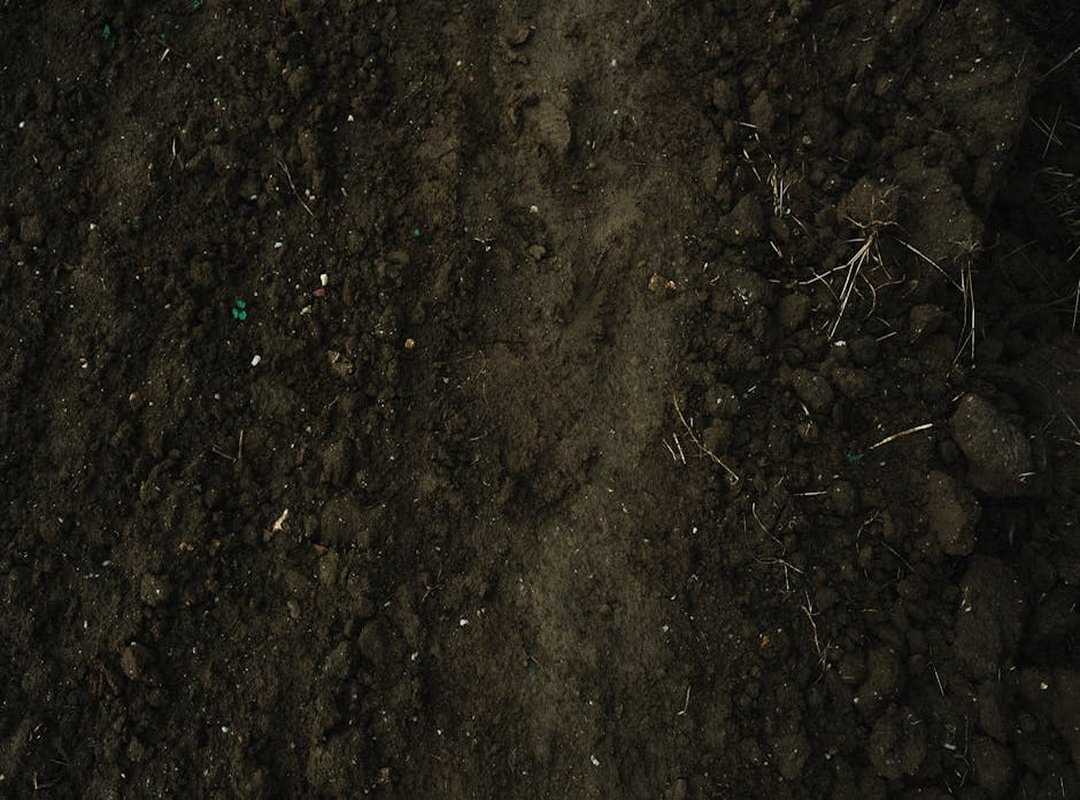
If you’re starting new vegetable or flower beds, go for “Garden Soil.” Mix it into the top 6-8 inches of your native soil. This blend gives plants the nutrients they crave. Tilling it in ensures strong root growth (and less headache for you later).
Raised Beds
Raised beds are another beast. I recommend a 50/50 mix of “Garden Soil” and compost. It’s cost-effective and packs in nutrients.
If money isn’t an issue, consider 100% potting mix. Yes, it’s pricey, but the results are phenomenal. Your plants will thank you.
Pots & Containers
When it comes to pots and containers, don’t mess around. Only use “Potting Mix.” Unlike garden soil, which compacts and traps water, potting mix keeps plants happy and breathing. It’s specially designed to drain well and prevent root rot.
Filling Holes in the Lawn
Got holes in your lawn? Basic “Topsoil” is your friend here. It’s budget-friendly and perfectly suited for patching up those pesky gaps.
You’ll find your lawn looking lush without breaking the bank.
Does all this sound like a lot? Maybe. But understanding these soil types gardening will save you time and stress.
Pro tip: Always check the soil bags for details on nutrient content. It’s like reading the fine print on a contract. It might just save your plants.
Soil Savvy: Transform Your Yard
Let’s be honest. Working with what you’ve got is way more satisfying than starting from scratch. When it comes to soil types gardening, it’s all about tweaking your existing dirt for the best results.
Here’s the thing (adding) compost is the solution for almost any soil problem. Seriously. It’s like magic.
Heavy clay soil? Adding sand is tempting, but don’t. You risk ending up with a backyard version of concrete. Instead, toss in compost or peat moss. These will break up clay particles and improve drainage. Thank me later. If your soil is sandy and dries out faster than a Twitter trend, it desperately needs help. Compost, peat moss, or even coco coir would be ideal. They act as organic sponges, holding onto water and nutrients.
Want lush plants? Compost is your friend (and your yard’s best bet). Just remember, enhancing soil isn’t about adding stuff.
It’s about turning what you have into something better. Pro tip: Test your soil first to know what it truly needs.
Grow with Confidence
Choosing from all those garden soil varieties can really mess with your head. It doesn’t have to be that way. Get to know the basics of soil types gardening.
Figure out textures, bagged products, and what your project truly needs. Once you do, picking the right soil is a breeze. Crazy, right?
You can walk into a garden center without breaking a sweat. Ready to make your plants happy? Explore our guides on garden design and create a home your plants will love.
Trust me, it’s worth it. Dive in, learn more, and watch your garden thrive!

 Ask Marta Draperenzon how they got into decadent garden landscaping styles and you'll probably get a longer answer than you expected. The short version: Marta started doing it, got genuinely hooked, and at some point realized they had accumulated enough hard-won knowledge that it would be a waste not to share it. So they started writing.
What makes Marta worth reading is that they skips the obvious stuff. Nobody needs another surface-level take on Decadent Garden Landscaping Styles, Interior Design Inspirations, Browse and Learn. What readers actually want is the nuance — the part that only becomes clear after you've made a few mistakes and figured out why. That's the territory Marta operates in. The writing is direct, occasionally blunt, and always built around what's actually true rather than what sounds good in an article. They has little patience for filler, which means they's pieces tend to be denser with real information than the average post on the same subject.
Marta doesn't write to impress anyone. They writes because they has things to say that they genuinely thinks people should hear. That motivation — basic as it sounds — produces something noticeably different from content written for clicks or word count. Readers pick up on it. The comments on Marta's work tend to reflect that.
Ask Marta Draperenzon how they got into decadent garden landscaping styles and you'll probably get a longer answer than you expected. The short version: Marta started doing it, got genuinely hooked, and at some point realized they had accumulated enough hard-won knowledge that it would be a waste not to share it. So they started writing.
What makes Marta worth reading is that they skips the obvious stuff. Nobody needs another surface-level take on Decadent Garden Landscaping Styles, Interior Design Inspirations, Browse and Learn. What readers actually want is the nuance — the part that only becomes clear after you've made a few mistakes and figured out why. That's the territory Marta operates in. The writing is direct, occasionally blunt, and always built around what's actually true rather than what sounds good in an article. They has little patience for filler, which means they's pieces tend to be denser with real information than the average post on the same subject.
Marta doesn't write to impress anyone. They writes because they has things to say that they genuinely thinks people should hear. That motivation — basic as it sounds — produces something noticeably different from content written for clicks or word count. Readers pick up on it. The comments on Marta's work tend to reflect that.